


 The nation’s external reserves have dropped to a record one-year low of $44.1bn, according to the latest data from the Central Bank of Nigeria.
The statistics also indicated that the reserves had fallen by $3bn between August 14 and December 17.
It was on December 28, 2012 that the reserves had last recorded $44.1bn.
The reserves fell from the peak of $47.1bn on August 14 to $44.1bn on December 17, 2013 indicating $3bn drop within the period.
A research had noted that the amount the CBN was offering for sale on its Retail Dutch Auction System was fast depleting the external reserves.
Also, between September 6 and November 25, the reserves fell by $2bn from $46.77bn to $44.66bn.
The latest one-year low of $44.1bn came about three weeks after the reserves recorded $44.5bn
The foreign reserves had fallen to $44.5bn on November 28, after dropping to the $44bn mark on November 8. On January 2, 2013, they had recorded $44.3bn.
The reserves started rising through the year and peaked at $48.8539bn on April 30.
However, the reserves started falling gradually since May and fell to a nine-month low of $45.08bn on October 14.
Between May 2 and August 5, 2013, the foreign reserves dropped by $1.8bn from the peak of $48.85bn to $46.98bn.
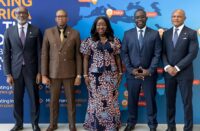
The Minister of Finance, Dr. Ngozi Okonjo-Iweala, had stressed the need for the country to shore up its external reserves.
The Federal Government had targeted $50bn reserves by the end of 2012.
But the reserves could only close the year at $44.17bn on December 28, 2012, finishing about $6bn below the government’s target.
Okonjo-Iweala had predicted a $12bn revenue shortfall for the country this year.
The Governor, Central Bank of Nigeria, Mr. Lamido Sanusi, had said in May that the outlook for the country’s foreign reserves this year was mixed.
Sanusi told Reuters that the reserves would probably keep expanding, while facing risks from lower-than-projected oil output and falling prices.
According to analysts, the performance of the reserves is driven mainly by proceeds from crude oil, gas exports and crude oil-related taxes as well as reduced funding of the Dutch Auction System on the account of huge inflow of foreign portfolio investments.
Source: Punch (by Oyetunji Abioye)

