



Culled—-Proshare
July 26, 2017/Vetiva Research
A year on from the notable Monetary Policy Committee (MPC) meeting in July 2016 when the MPC acted to raise the monetary policy rate (MPR) from 12% to 14%, the committee took a more neutral stance this time around, retaining all monetary policy levers at their previous levels.
The decision, which came in line with our expectations, hinged on the need to preserve Nigeria’s fragile economic recovery, against a backdrop of strong inflationary pressures.
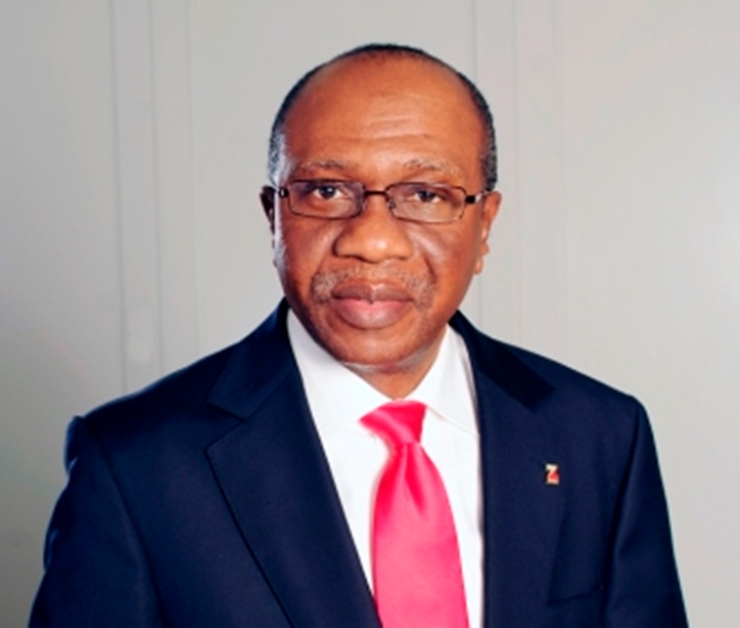
Central Bank of Nigeria (CBN) Governor Godwin Emefiele reiterated the bank’s commitment to “sustaining and deepening flexibility in the foreign exchange market” in reference to regular CBN dollar liquidity injection and the progress made in the “Investors & Exporters” foreign exchange window.

Complex Economic Matrix Moves “Hold” Decision
In reaching its decision, the committee considered ongoing normalization of United States monetary policy and the need to sustain recent naira appreciation across various market segments.
In addition, the CBN Governor highlighted that current inflation levels (16.1% in June) are significantly above accepted thresholds (max. 12.0%) for when inflation begins to adversely affect economic growth.
Despite this, the committee suggested that high cost of capital in Nigeria calls for more accommodative monetary policy moving forward, especially to drive a recovery in business investment.
More pointedly, the MPC raised several concerns that may guide future rate decisions. The committee drew attention to rising fiscal deficit and the resulting crowding out effect on Federal Government capital expenditure and private sector borrowing.
Unpacking this, we note that rising interest rates would dissuade both public and private borrowing yet lower rates may not address the fundamental issue of weak banking credit to the private sector.

The CBN Governor also stressed the present precarious form of Nigeria’s economic recovery, giving a view that unaccomodative monetary policy could cause the economy to relapse into a protracted recession.
Whilst we agree that further tightening may be imprudent and easing would show “sensitivity to growth” in the short-term, we are of the view that loosening too soon could hamper recovery in Nigeria’s aggregate supply by reversing gains in the monetary environment and foreign exchange market.
In that case, stimulating aggregate demand without a corresponding aggregate supply response would lead to an overheated economy in the medium term, and even higher inflation.
MPC Shows Surprising Easing Bias
Contrary to our expectations, two out of eight attending MPC members voted to reduce MPR at the July meeting. This is the first time since the July 2016 rate hike that any committee member has voted to ease monetary policy.
Whilst we await MPC member statements to obtain clarity on their rationales, we believe it would likely hinge on arguments towards supporting economic recovery given persistent fiscal sluggishness.
Nevertheless, the “Hold” group eventually won out. We highlight that a rate cut would likely lead to resurgent inflation, capital flight and excess banking sector liquidity.
The slight dovish leaning at this meeting surprises us considering the likely FX pressure from the expected monetary path of the United States Federal Reserve (Fed), as well as a more bearish domestic inflation outlook.
Added Growth Focus May Guide Short Term Policy
Whilst we do not expect notable currency developments in the coming months, amidst sticky inflation and with the Fed expected to hold interest rates until its December meeting, we see short-term monetary policy being guided by the strength of Nigeria’s recovery.
Our 2.1% y/y GDP growth expectation for Q2’17 is primarily driven by a significant rebound in crude oil volumes and the MPC may more closely monitor the perceived resilience of output pickup in the non-oil economy.

