



July 31, 2019/InvestmentOne Report
· Mixed topline performance: up 21.76% q/q, down 1.70% y/y
· Lower gross profit margin: up 1181bps q/q, down 416bps y/y
· Opex/sales ratio at 21.03%; up 868bps q/q, down 295bps y/y
· Profit before tax of N2.67billion in Q2 2019 against N2.03billion in Q1 2019 and N3.85billion in Q2 2018
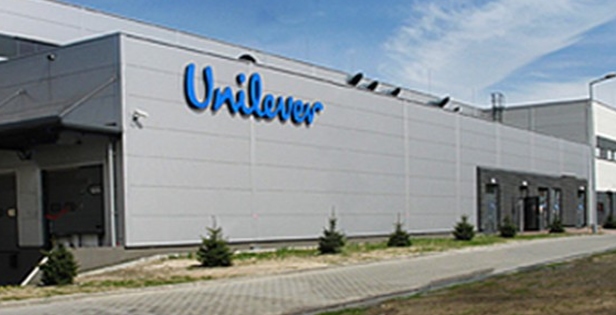
Last week, Unilever Nigeria Plc published its Q2 2019 scorecard. The result showed a slight decline in turnover y/y as Home and Personal Care (HPC) segment reflected pressures on earnings which was enough to overshadow the improvement in the Food Segment (Revenue up by 6.3% y/y). Overall, Unilever’s Q2 2019 PBT margin inched downwards (-474bps y/y) owing to a 416bps decline in gross margin and a y/y contraction in net finance income which offset the 295bps reduction in opex/sales ratio.
Stiff Competition Continues to Weigh on Profitability
Unilever Nigeria Plc’s topline was down by 1.7% y/y (using 2018 restated figures) driven by the earnings from the HPC segment contracting by 9.0%. Revenue generated from the Food and HPC segments printed at N12.1billion and 11.3billion. We highlight that the HPC segment has been on a downward trajectory on a y/y basis as regards revenue generated since 2018 while Food continued to show improvements. We believe the contractions seen in the HPC segment may be due to heightened competition in that space given the surfacing of small local brands in recent times.
Similar to previous quarters, topline remained volume driven as the ability to take price increases is constrained by rising competition and weak consumer spending. However, volume growth may have come under pressure given the limited factors highlighted above, particularly in the HPC segment. This, combined with cost pressures associated with sourcing of raw materials and challenged faced in the Apapa port may have been responsible for the 416bps contraction in gross margin y/y.
Down the P&L, PBT margin fell by 470bps y/y to 11.4% owing to the drop in gross margin which was more than enough to offset the slight shrink in opex/sales ratio, and net finance cost, down by 295bps and 86.0% respectively.
Volume Growth following General Elections
On a sequential basis, PBT margin was up slightly driven by notable improvements in gross margin and net finance cost which more than offset the increase in opex/sales ratio as operating expenses grew by 107.24%. We believe the revenue performance seen on a q/q basis (+21.8%) was attributable to volume growth in both segments following a lackluster election laden first quarter. This supported the 31.7% improvement in the bottom-line to N2.67billion.
Negative cash flow from operations
Working capital deteriorated in Q2 2019, largely due to a spike in trade and other receivables. Trade and other receivables rose to about N20.55billion in Q2 2019 from N10.47billion in Q2 2018; raising concerns on the firm’s cash generation ability. The rise in trade and other receivables may have been driven by Unilever’s drive to grow volume amidst weak consumer spending and rising competition.
Going forward, topline growth may continue to remain pressured by intense competition in the consumer space. However, we expect topline performance in the near term to see support from modest recovery in the economy as well as the implementation of the approved increase in minimum wage. Our downside risk remains poor implementation of the 2019 budget, a growing backlog of salary payments and an unanticipated disruption in the FX space.
YE(DEC) N’ Million | Q2 2019 | Q/Q
| Y/Y
| H1 2019 | Y/Y
|
Sales | 23,422 | 21.76%
| -1.70%
| 42,660 | -11.36%
|
Cost of Sales | (15,945) | 3.76%
| 4.69%
| (31,311) | -4.54%
|
Gross Profit | 7,477 | 93.24%
| -13.03%
| 11,346 | -25.95%
|
Gross margin | 31.92% | 1181bps
| -416bps
| 26.60% | -524bps
|
OPEX | (4,927) | 107.24%
| -13.80%
| (7,304) | -19.86%
|
Opex/sales | 21.03% | 868bps
| -295bps
| 17.12% | -706bps
|
Net Finance Income/ (Cost) | 135 | -80.97%
| -85.99%
| 845 | -36.75%
|
PBT | 2,670 | 31.72%
| -30.55%
| 4,698 | -37.75%
|
PBT margin | 11.40% | 86bps
| -474bps
| 11.01% | -467bps
|
Tax Expense/ (Credit) | (676) | 33.45%
| -31.18%
| (1,183) | -39.20%
|
PAT | 1,994 | 31.14%
| -30.34%
| 3,515 | -37.24%
|
PAT margin | 8.51% | 61bps
| -350bps
| 8.24% | -339bps
|
Source: Company financials, Investment One Research

