



July 6, 2021/CSL Research
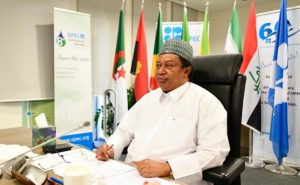
Following a 3-day intense discussion by the Organization of Petroleum Exporting Countries (OPEC) and its allies on oil output policy, no agreement was reached owing to reluctance by some key members to extend production cuts into 2022. The meeting was postponed indefinitely. Brent crude price continues to rise, gaining 1.2% from last Friday’s price of US$76.2/bbl to close at US$77.2/bbl., on Monday. The strict production controls by OPEC and its allies coupled with rising oil demand amid improving global macroeconomic narrative has moved oil prices to pre-covid levels and even beyond. Oil prices have risen more than 50% in 2021.
Saudi Arabia’s voluntary cut of 1.0mb/d which started in February 2021 through March and mass rollout of vaccines have supported the bullish trend witnessed in the market. OPEC+ intervention commenced on the back of the record dip in crude oil prices following the plunge in global energy demand due to the onset of the coronavirus pandemic (earlier in 2020). Initially, the Cartel had settled for a 9.7mbpd production cut to match supply with demand. This has been gradually eased to 5.8mbpd by July.
Rising oil prices should bode well for the Nigerian budget, given its benchmark price for crude oil for the 2021 fiscal year is pegged at US$40/bbl. Despite the rising oil prices, however, the impact is yet to be seen in the level of the country’s reserves. This reflects the increased CBN’s FX interventions and low impetus for foreign inflows. The Group Managing Director of Nigerian National Petroleum Corporation (NNPC) Mele Kyari also noted that the rise in oil prices is hurting Nigeria, which relies heavily on fuel imports for its needs. An increase in oil prices implies an increase in the price of petrol which currently implies an increase in subsidy reported as under-recovery losses in the books of the NNPC. In March, fuel subsidies were reported to cost the country up to N120 billion naira monthly.
Despite the improved optimism, downside risks still exist, and we continue to reiterate our agelong clamour for economic managers to adequately diversify the country’s export earnings particularly exploring opportunities in mining and agriculture.

