


August 12, 2021/CSL Research
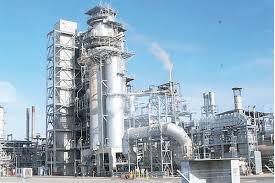
Based on a recent report from SBM Intelligence, the three refineries at Kaduna, Warri, and Port Harcourt have incurred a combined loss of N473.3bn between 2015-2021. Interestingly, the three refineries have yet to refine any crude product since 2019 and have made c. N185.0bn in losses in the period. We observed that despite not producing, some cost items remain in the books of the refineries, a development which has continued to attract public backlash. For context, the Port Harcourt refinery incurred the sum of N22.22bn as processing expenses (Cost of Sales) despite not reporting any Revenue in 2019. A similar development was recorded in Warri where processing activities contributed loss to its overall operation.
Since, the refineries at Kaduna, Warri, and Port Harcourt with a capacity of 445,000 bpd have continued to operate below capacity due to many years of underinvestment and poor maintenance, Nigeria has had to import c.90% of the refined petroleum products consumed in Nigeria. This remains the case despite the continued talk of revamping these facilities. According to available data from the Nigerian National Petroleum Corporation (NNPC), combined capacity utilization of the refineries fell to 0.00% in 2020 due to ongoing revamping of the refineries, an all-time low annual activity level since 1998 when NNPC started providing the data.
Dangote Group’s refinery, with a planned installed capacity of 650,000 bpd is scheduled to come on stream in 2022 following delays caused by the corona virus pandemic. It is expected to be Africa’s biggest oil refinery and the world’s biggest single-train facility upon completion. The refinery is designed to produce up to 50 million litres of gasoline and 15 million litres of diesel a day.
BUA Group’s proposed 200,000bpd refinery in Akwa Ibom is also projected to be completed before 2025. The government has also been recently promoting the establishment of modular refineries. Given the scale of demand for petroleum products in both Nigeria and the entire ECOWAS region as a whole, the country stands to gain significant export revenues if it increases downstream production.
That said, attempts by the government to revamp the state-owned refineries seems a waste of scarce resources in our view given that the technology employed in those refineries will likely be moribund. Like SBM, we are of the opinion that scarce resources should be deployed to more efficient projects.

