


August 13, 2021
By Peter OBIORA InvestAdvocate
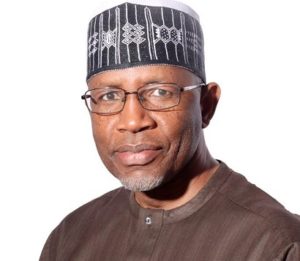
Lagos (INVESTADVOCATE)-Unclaimed dividend in the Nigerian Capital Market (NCM) currently stands at N170 billion, Lamido Yuguda, Director General, Securities and Exchange (SEC) disclosed on Friday at the second virtual Capital Market Committee (CMC) press briefing coming on the heels of the meeting held Thursday August 12, 2021.
“The figure currently stands at about N170 billion, it has actually increased from what it was at the end of 2019,” Yuguda said.
As earlier reported at the end of 2019, the total value of unclaimed dividends stood at 158.44 billion. In 2015, the SEC had introduced the electronic dividend payment platform to enable an automated deposit of dividends to Investors’ bank accounts to help mitigate the incidence of unclaimed dividends.
Recently, cement manufacturer. Lafarge Africa Plc published a list of over 300,000 names in unclaimed dividend. “For a single company to have over 300,000 names in unclaimed dividend, the truth of the matter is that we have problems with identity management in the Nigerian Capital Market, and this is really one of the things that the Commission has being trying to resolve,” the SEC DG added.
According to him, SEC recently set up a high powered committee to look at the the issue steaming from an individual investor using multiple names to buy shares from one company, creating the multiple subscription problem.
In June 2021 the Commission constituted a Committee on Identity Management for the Nigerian Capital Market chaired by Aigboje Aig-Imoukhuede and is expected to harmonize various databases of investors, and facilitate data accuracy in the market. “We are optimistic that the outcome of this committee’s assignment would address the challenges of identity management and help resolve some of the issues we face in the areas of unclaimed dividend, direct cash settlement and multiple subscription,” Yuguda added.
“There are people who had bought shares under false names before, which is what we call the multiple subscription problem, yes there is a problem with the process, but I think there is a problem with us as a people because if you are buying securities using your own wealth why would you use a pseudo name that would not be traceable to you, most of these things really became an issue after the introduction of BVN, the BVN is tied to only one name and should you have any other name that you are using before, no account can be opened for you with another name due to the BVN, this is the problem we are seeing also in the Capital Market,’ he said.
Concerns have continued to grow following the Federal Government of Nigeria’s decision to securitize unclaimed dividends and dormant account balances of up to six (6) years in the country. In the recently assented 2020 Finance Bill, the management of unclaimed dividends and dormant account balances has been captured as part of many other provisions intended by the Federal Government of Nigeria to mitigate Nigeria’s fiscal frailties and economic crunch caused by the emergence of Covid-19.
Late July The Nigerian Lawyer had reported that a Federal High Court sitting in Abeokuta has granted an interim order restraining the federal government from taking over the unclaimed dividends of shareholders in the capital market estimated to be over N200 billion. The order followed a suit instituted by shareholders under the aegis of Palm Wealth Shareholders Association (PWSA).
The Finance Act 2020 signed into law last February by President Muhammadu Buhari provides that any unclaimed dividends of a public limited liability company quoted on the Nigerian Exchange Limited (NGX) and any unutilised amounts in a dormant bank account maintained in or by a deposit money bank, which has remained unclaimed or unutilised for a period of not less than six years from the date of declaring the dividend or domiciling the funds in a bank account, shall be transferred immediately to Unclaimed Funds Trust Fund.
But shareholders and other stakeholders in the financial sector had faulted the proposal. As part of efforts to stop the federal government from taking over the funds, PWSA instituted a case against the government at the Federal High Court in Abeokuta.

