




August 27, 2021/CSL Research
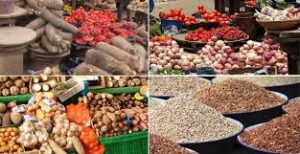
The rising prices of food staples in the country is pushing many Nigerian households below the poverty line. Based on the selected food price watch data for July 2021 released by the National Bureau of Statistics (NBS), major consumer staples showed substantial increases month on month and year on year (between July 2020 and July 2021). Although food inflation has moderated in recent months, prices of selected food items are still high. This perhaps reflects the impact of the incessant killings or kidnappings in the food producing regions of the country. Of more concern is the fact that the most widely consumed legume, and cassava among consumers showed substantial increase. Beans in the two variants surged higher; brown, sold loose (up 61.7% y/y) and white black eye, sold loose (up 40.7% y/y). Also, Gari in its two variants, white sold loose (up 48.0% y/y) and yellow sold loose (up 36.3% y/y).%
change in selected food Items between July 2020-July 2021
Food Items Percentage increase (y/y)
Beans brown, sold loose 61.7%
Beans: white black eye, sold loose 65.5%
Gari white,sold loose 48.0%
Gari yellow,sold loose 36.3%
Maize grain white sold loose 45.2%
Maize grain yellow sold loose 46.4%
Rice local sold loose 13.5%
Rice,imported high quality sold loose 12.7%
Agric eggs medium size 21.8%
Agric eggs (medium size price of one) 24.2%
Tomato 20.4%
Source: NBS, CSL Research
The persistent increase in the prices of food items amidst several measures implemented by the government suggests that local production still lags consumption significantly. Also, the rise in fertilizer prices has limited the use of fertilizers by farmers, resulting in poor crop yields. Although, early harvest season in August and September may help to taper prices, but downside risks still abound, from insecurity challenges to elevated input costs.
In addition, the trajectory of food prices does not bode well for the already heightened level of insecurity in Nigeria. Thus, the government needs to explore all possible ways to improve food supply. In our view, all security and structural challenges affecting local food production should be urgently addressed and where supply significantly lags demands, importation of such products should be allowed.

