




September 1, 2021/CSL Research
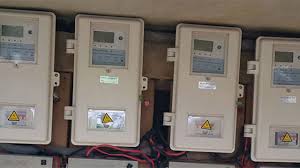
Based on reports from the Nigerian Electricity Regulatory Commission (NERC), about six million registered customers remain unmetered and are still paying for electricity through estimated bills. According to NERC, the number of meters contracted through the Meter Asset Providers scheme (MAPs) and National Mass Metering Programme (NMMP) was 7,588,972, indicating the number of those customers who had applied for meters as of November 2020. The report showed that a total of 508,812 meters were deployed through the MAPs scheme, while the NMMP made only 16,308 meters available at the time. A Punch news report, quoting the Ministry of Power, states that the number of meters deployed through the NMMP has risen to 750,000, showing that both schemes have successfully deployed c.1.26m meters as of August 2021.
Despite the privatization of the power sector five years ago, the provision of meters to customers remains a key challenge. Clearly, this implies that there are many customers on estimated billing, which gives room for illegal connection to the networks and, in turn, corrupt practices. The Meter Asset Provider (MAP) Regulation, which became effective on April 3, 2018, introduced meter asset providers as a new set of service providers in the Nigerian Electricity Supply Industry. The Federal Government launched the National Mass Metering Programme (NMMP) last year and the CBN, in October 2020, issued the Framework for its financing. The initiative is geared towards mass metering of Nigerians by providing loan facilities to (i) the DisCos (for the procurement of meters for its customers), and (ii) the local meter Manufacturers (for the manufacturing and assembling of meters). The schemes were launched to bridge the metering gap in the industry.
In our view, the provision of meters to all end users would go a long way in ameliorating the liquidity squeeze in the power sector whilst also providing cash flows to the Discos for investment in equipment. Going forward, there is the need for a holistic approach and concerted efforts by all players in the power sector in proffering long-lasting solutions to the myriad of issues hindering the entire value chain and commercial viability of the Nigerian power sector. There is no gainsaying that the erratic and epileptic power supply across the country has been a major obstacle to the growth and development of the nation over the years.


