




February 4, 2022/CSL Research
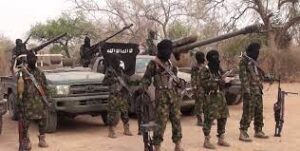
Based on a This Day report, Borno State Governor, Professor Babagana Zulum, yesterday, expressed concern about the increasing sophistication and spread of the terrorist group, Islamic State’s West Africa Province (ISWAP), in the state. He noted that the federal government must do everything in its power to defeat ISWAP now, or else the menace constituted by the Boko Haram terrorist sect would be nothing compared to what the group would do when they gain stability. According to him, the ISWAP terrorist group is more sophisticated, better funded and more educated than their Bokoharam counterparts.
Elsewhere, in various news reports, the federal government, yesterday, revealed that an analysis by the Nigerian Financial Intelligence Unit (NFIU) between 2020 and 2021 had indicted some 96 financiers of terrorism in the country, 424 associates of the financiers, and the involvement of about 123 companies and 33 bureaux de change. It said the inquiry also identified 26 suspected bandits/kidnappers and seven co-conspirators. Bringing peace to the North East, and by extension to the North generally, is important. Consumer goods companies reckon they can sell up to 50% of their products in the North, but violence and instability have held back sales since Boko Haram stepped up its offensive in late 2011.
However, distribution has improved considerably over the past few years. ISWAP became a dominant faction in Nigeria’s conflict, especially after the death of rival Boko Haram commander Abubakar Shekau in May 2021. Despite repeated government and military assertions that the insurgents have been defeated, insurgents continue to carry out hit-and-run attacks with rising occurrence. One point to note, however, is that the front line has been pushed back to the three most North-Eastern states of Yobe, Borno and Adamawa, of which Borno is by far the worst affected. Boko Haram, which pledged allegiance to Islamic State, controlled a swathe of land in northeast Nigeria at the start of 2015 but has been largely pushed back by Nigeria and regional troops. Granted, the Military’s offensive strategy has made significant headway in crippling the activities of insurgents. We are, however, of the view that more dedicated use of military intelligence would go a long way in eliminating insurgency threats in the medium to long term.
Click here to read full PDF copy of report

