




December 22, 2022/CSL Research
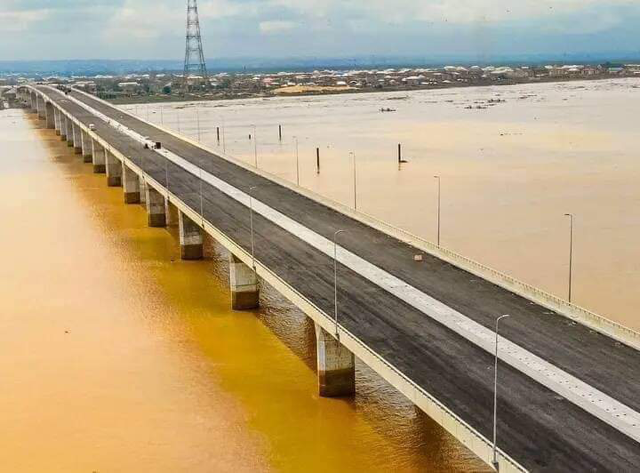
According to a report published by the Punch newspaper, the Federal Government has ordered the temporary opening of the second Niger bridge. The Minister of Works, Mr. Babatunde Fashola (SAN) stated this while inaugurating the bridge for use for one month during the festive season. He noted that the sit-at-home order by the Indigenous People of Biafra (IPOB) contributed to the delay in the completion of the second Niger bridge project.
He further reported that the bridge will be tolled to ensure the maintenance of the landmark project.
The second Niger bridge is a Federal Government project that has cost about N206bn. The scope of work being done includes the construction of a 1.6 km long bridge, 10.3 km Highway, Owerri interchange and a toll station. The project was first conceived by the administration of Olusegun Obasanjo but was embarked upon by President Muhammadu Buhari. The bridge is being constructed across Nigeria’s Niger River and it will span from Asaba to Onitsha.Barring any unforeseen circumstances, the bridge is scheduled to be fully operational before the end of the first half of 2023. The completion will be a major boost to the country’s economic development aspirations.
The second Niger bridge was first conceived as a Public-Private Partnership, but this idea was later abandoned, and the government began to fund the project directly. Parties involved in the project include the Federal Ministry of Works, the Ministry of Finance, the Nigeria Sovereign Investment Authority (NSIA), the Presidential Infrastructural Development Fund (PIDF), and Julius Berger Nigeria Plc.
This implies that the government owns and finances the project’s construction while Julius Berger, designs, and builds. The bridge, which is primed to link parts of the South-East/South-South regions to the rest of the country, is intended to reduce the strain on the existing Niger Bridge, improve security, as well as create opportunities for improved socio-economic activities for the host communities and Nigeriansin general.
Road transport is particularly important for developing countries, as it provides about 80% of the total inland and border crossing transport of people and goods. Road transport contributed 49.68% to the nation’s GDP in Q3 2022. The need for a second Niger Bridge has become necessary. Since the construction of the first Niger Bridge, Nigeria’s population has risen rapidly and the traffic across the Southeast route has also grown considerably, leading to traffic gridlocks that has been impacting the cost of doing business and the way of life of people living in the region. This project, which is expected to enhance the free flow of access to places that have social and economic significance, will improve the commercial viability of the region and increase cross-regional economic activities.

