



July 31, 2023/CSL Research
According to the Nigerian Electricity Regulatory Commission (NERC), eleven electricity distribution companies (DisCos) have filed an application for rate review with the commission. The request for rate review is premised on the need to incorporate changes in macroeconomic parameters and other factors affecting the quality of service, operations and sustainability of the companies. Accordingly, the commission invited the general public for comments on the rate review applications by the distribution licensees.
On 25 June, Daily Trust reported that DisCos, in a note to their customers, had informed them of an increase in electricity tariff effective 1 July. The DisCos suggest that the proposed tariff increase is in response to the depreciation of the Naira which has effectively changed costs. Consequently, to ensure that the electricity industry remains financially viable and sustainable, there is a need for an increase in tariffs. Under the MYTO 2022 guidelines, the previously set exchange rate of N441/1 dollar may now be revised to approximately N750/1 dollar. For customers within bands B and C with supply hours ranging from 12 to 16 per day, the new base tariff is expected to be N100 per kWh while Bands A with (20 hours and above) and B (16 to 20 hours) will experience comparatively higher tariffs.
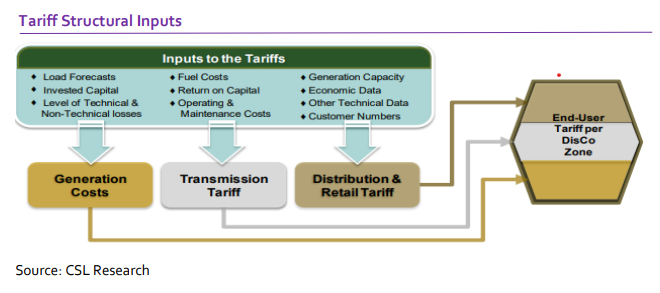
A recurrent glaring problem with the power sector is its uncommercial tariff plan. It has been difficult to align the cost of producing and supplying electricity and the tariff charged to the customer. To compound the matter, billing and cash collection remains grossly inefficient due to poor metering. The Multi-Year Tariff Order (MYTO) was intended to set electricity tariffs for consumers over a 15-year period, from 2008 to 2023. There were to be minor reviews of the industry’s pricing structure twice a year (announced on 1 December and 1 June) and major reviews every five years. Minor reviews can only consider 4 variables namely: the rate of inflation, gas prices, foreign exchange rates and actual daily generation capacity.
There have been adjustments to the MYTO II tariff since 2014, when the first adjustment was announced but discos still note that the tariffs are still not cost reflective. The current technical devaluation of the Naira against the U.S dollars should necessitate a review.
Click here to read full PDF copy of report

