



August 4, 2023/CSL Research
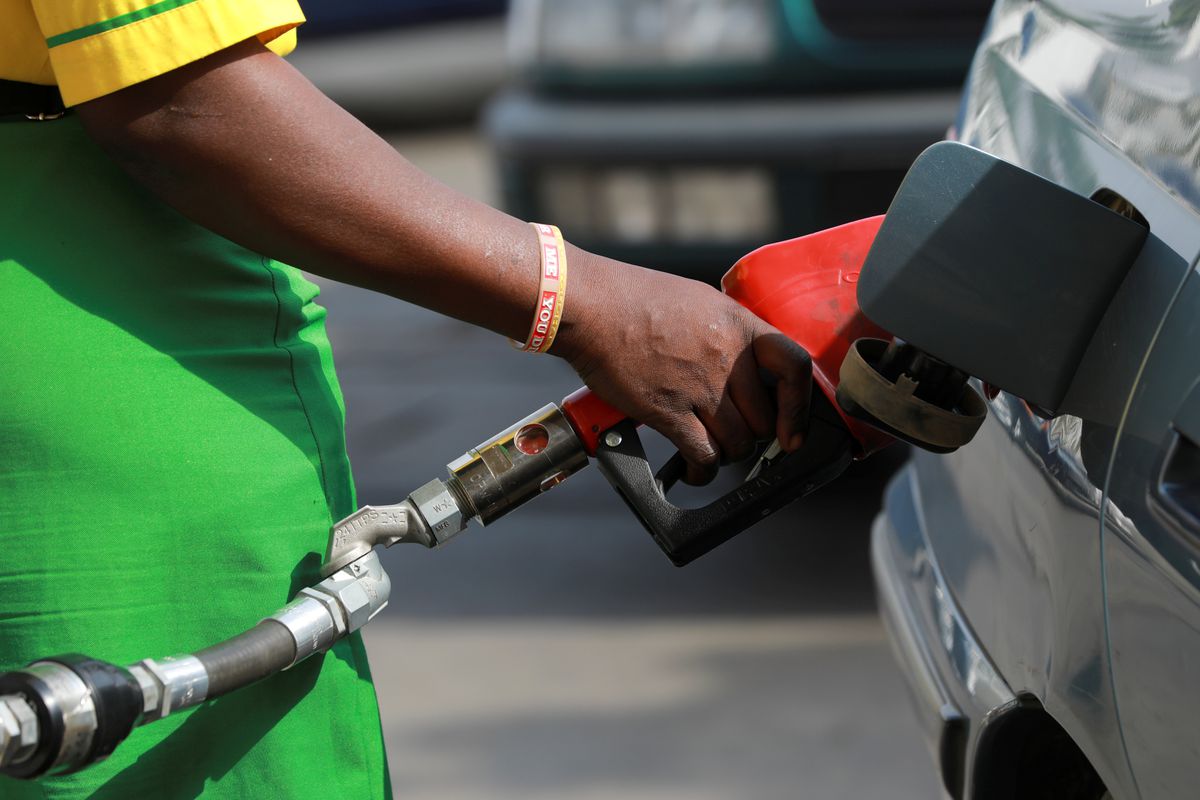
The Nigerian National Petroleum Company Limited NNPCL, on Thursday, announced its partnership with Nipco Gas Limited for the development and deployment of Compressed Natural Gas (CNG) stations across the country. CNG, popularly called autogas, is alternative fuel used in automobiles, and the push for its adoption has been high since the removal of subsidy on Premium Motor Spirit.
The NNPCL CEO Kyari noted that this a part of NNPCL’s commitment to reduce carbon footprint and provide cheaper alternative fuel to motorists to cushion the effect of the removal of the subsidy.
As part of efforts to cushion the adverse effects of the removal of fuel subsidies, the President announced plans to invest N100 billion between now and March 2024 to acquire 3000 units of 20-seater CNG-fuelled buses to be shared with major transport companies in the states, using the intensity of travel per capital.
According to the Chairman of Innoson group, the CNG buses can reduce the cost of transportation by up to 50% compared with petrol and diesel powered buses and Nigerian has
sufficient gas reserves to support this planned shift. According to a PWC report in 2020 titled evaluating Nigeria’s gas value chain, Nigeria has the 9th largest gas reserve globally with about 209.5 trillion cubic feet(tcf) of proven gas reserves valued at US$803.4tn, which can last up to 94-100 years with aggressive exploration.
Considering how badly consumer purchasing power has been hit, we see this as a step in the right direction. However, we believe these steps should have preceded the removal of the subsidies as many more Nigerians have been pushed below the poverty following the removal of the subsidies and urgent and more immediate palliatives may be needed in our view. The last eight years have left many Nigerians in multi-dimensional poverty.
The economic recessions witnessed in 2016 and a second succession in 2020 occasioned by the covid pandemic had a major impact on Nigerian households, eroding their purchasing power and driving joblessness nationwide. The pressure on disposable income was further exacerbated by the impact of higher petrol and food prices, leading to a higher cost of living in the face of muted growth in disposable income. The removal of the fuel subsidies has worsened an already bad situation and in our view, urgent palliatives must be in place.

