



November 14, 2023/CSL Research
Based on data from the National Bureau of Statistics (NBS), The transportation and storage sector, which accounts for 0.89% of the country’s GDP, declined by 50.64% in Q2 2023, the largest decline among all sectors. The NBS attributed this to the sharp fall in the road transport sub-sector, which contracted by 55.14% in Q2 2023. The road transport sub-sector makes up a large chunk of the transportation and storage sector and is vital for the movement of goods and people across the country. The transportation and storage sector comprises of road transport, rail transport & pipelines, water transport, air transport, transport services, and post and courier services.
The contraction in the transportation growth rate was primarily driven by the removal of fuel subsidies by the federal government in May 2023 despite the fact that it happened towards the end of the quarter.
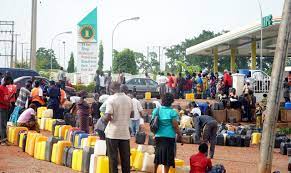
The removal of the fuel subsidy, which was aimed at improving the country’s fiscal position led to a spike in the pump price of petrol from N182 per litre to N600 per litre, representing a 229.67% increase. Further petrol price increases occasioned by the currency depreciation and movements in the price of crude combined with inflation have increased the cost of transportation for both commuters and businesses. According to the NBS, the average fare paid by commuters for intercity bus rides per drop rose by 56.57% to N5,918.18 in August 2023, from N3,779.96 in August 2022.
The transport and storage sector in Nigeria directly employs c.10 million people. Despite its importance, numerous challenges have stunted the growth of the sector in recent times. Beyond the current issues around increased fuel cost, insecurity happens to be a major factor challenging the growth of the sub sector. The incessant attacks on major highways and rail networks continue to hamper growth by discouraging road transport. The poor road infrastructure also makes road travel unsafe.
According to a World Bank report, 87% of Nigeria’s rural road network of about 200,000km are in a deplorable state. There is a relationship between investments in transport technology and economic growth. Effective transport systems are essential for the profitability of businesses. Logistics, such as transport and storage, account for about 10–15% of the final cost of production of many Nigerian companies and the quality of transport services also has a major impact on the quality of life of the populace.
Click here to read full PDF copy of report

