



November 30, 2023/CSL Research
According to news reports, heads of agencies and departments under the new ministry of marine and blue economy, last week, signed a performance bond for ministerial deliverables from 2023-2027. The signing of the bond followed stakeholders’ roundtable engagement with industry players and a two-day retreat in Lagos.
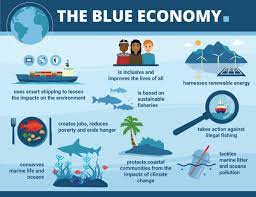
The Blue Economy is a concept that has gained traction in recent years. The World Bank defines it as the sustainable use of ocean resources for economic growth, improved livelihoods, and jobs while the European Commission defines it as all economic activities related to oceans, seas and coasts. With its vast coastline and rich marine biodiversity, Nigeria has immense potential to harness the blue economy for economic growth and social development.
The establishment of a dedicated ministry for the blue economy by the Tinubu administration is a significant step towards diversification of the country’s maritime industry, which has previously focused on oil and gas production.
The blue economy in Nigeria will involve economic activities such as fisheries, aquaculture, tourism, shipping, marine transportation and logistics and is valued at c.US$1.5tn per annum according to news reports. Sustainable fisheries management and expansion of aquaculture can increase fish production, enhance food security, and create additional jobs.
The country’s strategic location along major shipping routes affords it the opportunity to become a hub for maritime trade. The blue economy also presents huge prospects for tourism in Nigeria. The country’s beaches and unique marine biodiversity can attract tourists. Expansion of activities in these sectors can help reduce unemployment and poverty especially within Nigeria’s coastal communities.
Though the development of the country’s blue economy is a positive step, there are several challenges that need to be addressed for success to be achieved. One of such challenges is the poor maritime infrastructure, especially the country’s poorly equipped ports. Moreso, Nigeria has had a long history of environmental degradation with its oil exploration and a number of its water ways are polluted.
Again, insecurity along the country’s waterways is a major cause of concern that has deterred investments in the Niger Delta basin and if not adequately addressed, may deter private sector investments in the blue economy. In our view, the blue economy holds a plethora of economic advantages if the new ministry can walk the talk.

