



January 12, 2024/FBNQuest Research
According to the most recent electricity report published by the Nigerian Electricity Regulatory Commission (NERC), the total electricity generated by the distribution companies (Discos) fell slightly by -2% q/q to 8,664.8 gigawatt hours (GWh) in Q3 ’23. Similar to the previous quarter, the q/q reduction in the total electricity generated was primarily due to a decline in the available generating capacity of the nation’s power plants.
According to NERC, shortage of gas supply and mechanical faults limited the amount of energy generated by gas-fired thermal plants during the quarter.
Gas supply constraints due to deficit of gas infrastructure has been consistently highlighted as a major hindrance to efficient power generation in the country.
The data shows that Nigeria currently has about 27 generation companies (GenCos), 19 of which run gas-fired plants.
Notably, there were two instances of system shutdowns during the quarter. Prior to this, the commission had not recorded any incidence of system failures in the three preceding quarters.
In Q3 ‘23, the Discos were only able to bill 5,682.1GWh, out of the total 7,184.5GWh of energy received.
Following the shortfall in billing, we see that the Discos’ revenue collection of c.NGN267.6bn fell short of the issued energy bill of c.NGN349.6bn.
These collection inefficiencies have always translated to liquidity challenges within the sector. The liquidity concern has regularly limited the operational performance of the transmission and distribution companies.
The average aggregate technical, commercial & collection (ATC&C) losses recorded by the sector was 39.5% in Q3 ’23, higher than the c.20.1% allowance as stated in the Multi-Year Tariff Order (MYTO) of 2023. These high losses have been a recurrent problem for transmission and distribution firms.
According to the NERC, these losses are reflective of energy theft, distribution network losses and refusal on the part of customers to pay their bills.
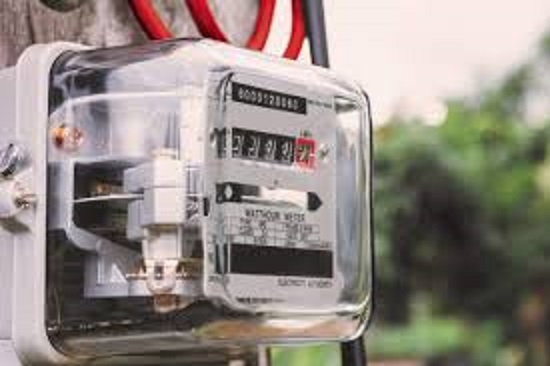
These mentioned issues are further aggravated by inadequate metering of customers. Of the 12.8 million registered customers as of Q2 ‘23, only 5.7 million were metered, representing a metering percentage of 44.5%.
The huge metering gap suggests that the Meter Assets Provider (MAP) and National Mass Metering Programme (NMMP) programmes still have significant ground to cover to address Nigeria’s metering challenge.

