



(Source: AfDB)
July 11, 2024/CSL Research
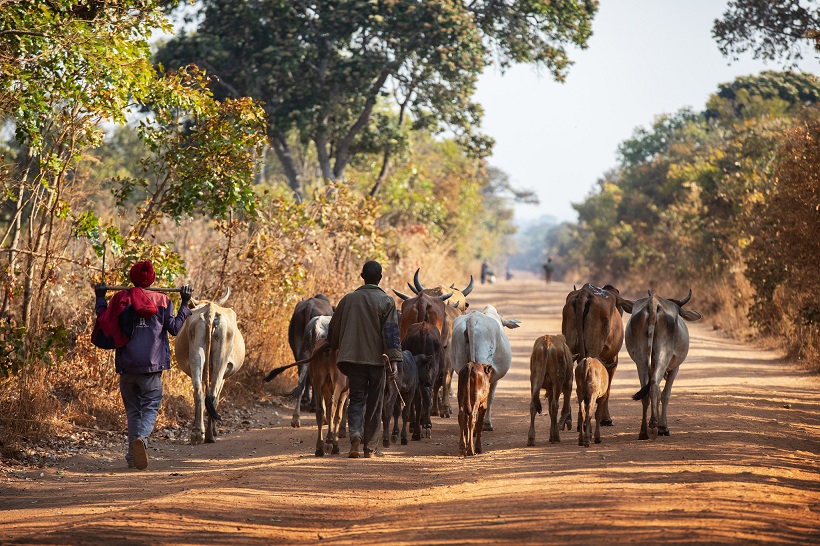
Recently, the President of the Federal Republic of Nigeria, Ahmed Tinubu, announced the creation of the Ministry of Livestock Development. This decision comes in response to the frequent violent clashes between farmers and herders in food-producing states, which have resulted in significant loss of property and lives.
Contributing factors to these conflicts include land scarcity, competition for resources, weak governance regulations, and ethnic and religious tensions. The insecurity in the agricultural sector has deterred investments in recent years, leading to food scarcity and a subsequent rise in food inflation. The government’s intervention aims to establish a structure that promotes cohesion and encourages investment in the agricultural sector, mirroring successful initiatives in other West African countries.
The President’s announcement comes 10 months after he approved the establishment of a presidential committee to address clashes between herders and farmers. This committee was set up following a report from the National Conference on Livestock Reforms and Mitigation of Associated Conflicts in Nigeria. The committee presented President Tinubu with 21 recommendations, including the creation of a Ministry of Livestock Resources.
Historically, previous governments have proposed various measures, such as the highly controversial Rural Grazing Area (RUGA) initiative, but these have failed to resolve the persistent conflicts between farmers and herders. The President noted that the Federal Government is prepared to cover the cost of acquiring lands to ensure peaceful coexistence between pastoralists and farmers.
The herder-farmer conflict in Nigeria presents a complex challenge that requires sustained and coordinated efforts from all stakeholders. The proposed ministry is expected to lead in implementing effective land-use policies, strengthening law enforcement, and investing in rural infrastructure development.
By addressing the root causes of these constant clashes, the ministry aims to enhance security, enabling farmers to resume their activities. The ministry can also play a crucial role in promoting dialogue, peacebuilding initiatives, financial assistance, and education campaigns to foster tolerance and understanding between communities.
Click here to read full PDF copy of report

