




July 15, 2024/Cordros Report
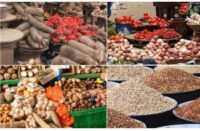
Food prices were higher in June as the Eid-al-Kabir celebration underpinned an increased demand for food, thus fanning the price pressures witnessed. Additionally, we point out the depletion of the off-season harvest, which ended in May, according to the Famine Early Warning System (FEWSNET), and lowered the overall supply of farm produce, hence adding further pressure to food prices. Specifically, food inflation rose by 26bps to 2.55% m/m in June (May: 2.28 m/m). Disaggregating the numbers, prices increased all over the Imported foods (+83bps to 2.92% m/m), Farm produce (+34bps to 2.60% m/m), and Processed foods (+24bps to 2.53% m/m) sub-baskets.
At the same time, core inflation increased mildly in June, mainly due to the slight naira depreciation (c. 3.5% m/m) amid a moderate increase in energy prices. As earlier noted, core inflation increased by 5bps to 2.06% m/m (May: 2.01% m/m) and rose by 36bps to 27.40% (May: 27.04% y/y) year-on-year. Further analysis showed that prices increased across the Restaurants and Hotels (+36bps to 2.65% m/m), Recreation and Culture (+28bps to 0.80% m/m), Utilities (+7bps to 2.16% m/m), Education (+6bps to 1.52% m/m), Furnishings & Household Equipment Maintenance (+5bps to 1.45% m/m), and Transport (+2bps to 2.40% m/m) sub-baskets. Meanwhile, prices across Alcoholic beverages and Tobacco (-19bps to 1.93% m/m), Clothing and Footwear (-15bps to 1.38%), Communication (-13bps to 0.09%), Miscellaneous Goods and Services (-5bps to 1.80%), as well as Health (-1bp to 1.42% m/m) eased.
Disinflationary Process to Kickstart in July on Base Effect
Looking ahead, we posit that inflation may have peaked in June and should begin to decline in July, mainly due to a high statistical base from H2-23. For clarity, the price shock that emerged from implementing the policy reforms in June 2023, including the removal of the PMS subsidy and the devaluation of the official exchange rate, started to reflect markedly in the July 2023 inflation numbers. Additionally, we do not expect a significant increase in PMS prices as subsidy payments on the product, which we estimate were effectively reinstated in February, are likely to remain intact amid the surge in living costs. Furthermore, we expect the naira to trade with muted volatility compared to the same period in the previous year, mainly due to the relatively improved FX liquidity and reduced speculation activities.
Supporting the expected disinflation outlook is the recently implemented 150-day suspension of import duty on some food commodities, including maize, husked brown rice, wheat, and cowpeas. While the imposition of import duties on food items has driven up prices, the situation was exacerbated by the transition to a more flexible exchange rate system for estimating the cost of import duties. For context, the current approved rate for import duty is NGN1,549.00/USD, significantly higher than the pre-reform period (May 2023: NGN422.30/USD), significantly raising the total import duty costs charged on imported commodities. Thus, suspending the import duty on essential raw materials, particularly for food-processing industries, substantially reduces their production costs, potentially lowering the prices for processed foods. However, we expect the disinflationary impact of the policy to begin to reflect in the food inflation numbers for August and subsequent months, as food-processing industries may have already stocked up raw materials for July before the import duty removal.
Specifically for July, we expect price pressures for food items to moderate as the festive-induced demand fades. Additionally, we expect the commencement of the green harvest to support lower prices of foods, including green maize, pumpkins, fresh groundnuts and seasonal vegetables harvested during this period. Additionally, food inflation on a month-on-month basis typically falls in July. For instance, between 2018 and 2022, food inflation m/m averaged 1.42% in July, down from an average of 1.51% in June. Accordingly, we expect food inflation to moderate to 2.20% m/m, resulting in a y/y food inflation rate of 39.16% in July (June: 40.87% y/y).
On the other hand, we expect prices for non-food items to remain elevated, underpinned by the increased volatility in the naira. However, the slow increase in energy prices could tether price pressures. Consequently, we estimate a month-on-month core inflation (all items less farm produce) print of 1.85%, cascading to a y/y rate of 26.11% (June: 26.53% y/y).
Overall, we anticipate a deceleration in headline inflation to 2.07% m/m, translating to a y/y print of 33.12% (June: 34.19% y/y).

