



July 31, 2024/CSL Research
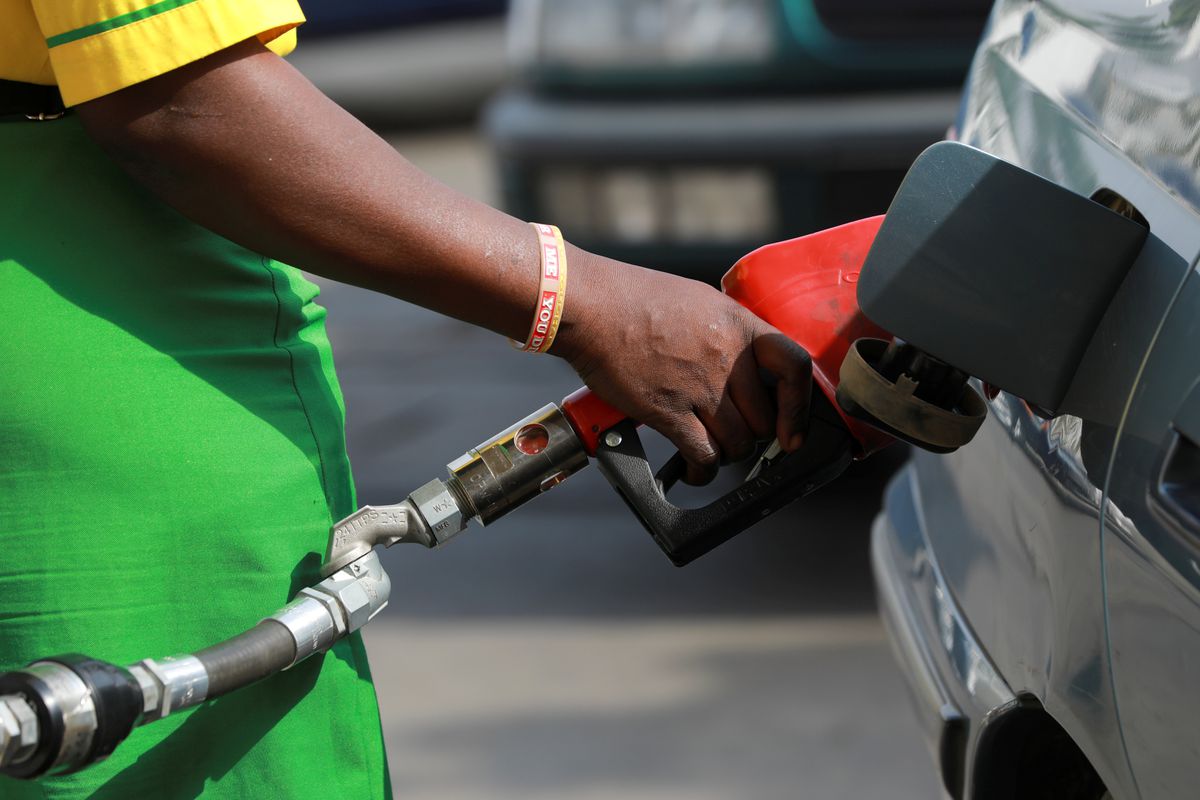
According to news reports, last week, the Major Energy Marketers Association of Nigeria (MEMAN) reported that the landing cost of petrol was N1,117/litre. MEMAN also disclosed that the landing costs of diesel and aviation fuel were N1,157/litre and N1,127/litre, respectively. While the pump prices of diesel and aviation fuel are significantly higher than their landing costs, the pump price of petrol remains much lower. Though retail outlets operated by the Nigerian National Petroleum Company Limited (NNPC) and some major marketers sell petrol at prices between N617 and N670 per litre, dealers noted that the ex-depot price of petrol set the NNPC is N585/litre, The Independent Petroleum Marketers Association of Nigeria (PMAN) emphasised that the Federal Government was still subsidising petrol (PMS), warning that this was unsustainable and could lead to an imminent increase in the pump price of petrol.
While the removal of the fuel subsidy by the new administration has resulted in a significant increase in the price of PMS, it’s important to note that this move also carries potential benefits. The relative stability seen in the past few months could imply the reintroduction of subsidy, and this was affirmed when the Ministry of Finance announced that at current rates, expenditure on fuel subsidy is projected to reach N5.4trn by the end of 2024. As global crude oil prices rise, the cost of refined petroleum products also increases in tandem. However, in a liberalized market, prices will likely continue to fluctuate with movements in crude prices and the currency’s depreciation, offering opportunities for market growth and stability.
Before the current attempt by President Tinubu to remove the long-standing subsidies, which was the most audacious, previous attempts to remove the subsidy on petrol have, in many cases, been met with resistance from the populace, causing the government to either decide on a partial removal or rescind the decision. Though the current administration successfully eliminated the subsidies at the time, Nigerians are not likely to be happy with any decision to raise prices further. Undoubtedly, an attempt to revise the price to suit current realities will be strongly resisted by the populace who have been hard hit by two recessions and a pandemic in the last 7 years amid persistent devaluation of the currency and rising food and utility costs. Recent reports indicate that various Nigerian groups are planning nationwide protests from August 1 to address the country’s soaring cost of living and economic hardship.

