




August 26, 2024/CSL Research
The recent abduction at gunpoint of 20 medical students from the Jos Teaching Hospital in Benue State, while they were en route to a conference, highlights the worsening security situation in Nigeria. This incident, which drew intense public pressure from the National Association of Nigerian Students (NANS) and various Civil Society Organizations, spurred security forces into action, ultimately leading to the students’ release after nine days in captivity. Unfortunately, abductions for ransom have become increasingly common across nearly all geopolitical zones. This alarming surge has instilled widespread fear and uncertainty among the population, leaving many feeling increasingly vulnerable to such threats.
The Nigerian security situation has steadily worsened over the past few years, as banditry, herdsmen attacks, kidnapping, insurgency, terrorism, and all sorts of social crimes have spread across all parts of the country. Bandits have continued to launch attacks unabated in the northern region. Economic challenges, such as poverty, unemployment, and inequality, have fuelled social unrest and made youth vulnerable to recruitment by militant groups. Additionally, the proliferation of small arms, weak law enforcement, and porous borders have further compounded Nigeria’s security challenges. As of 2021, Nigeria ranked 163 out of 190 in Human
development index (HDI) in the world.
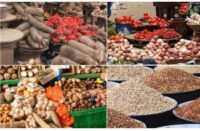
More importantly, the insecurity situation has hampered food production over the years affecting growth of the agricultural sector. Though many other issues such as inadequate infrastructure, limited access to finance and markets, low adoption of technology and innovation, inadequate extension services, climate change, and environmental degradation have limited productivity in the agricultural sector, insecurity remains the most serious of the sector’s problems. Till date, farmers, even those in the southern region complain of attacks on their farms by herdsmen. Many farmers have been hacked to death on their farms while trying to stop the herdsmen from destroying their crops, making others afraid to go to their farms. This has significantly reduced food production.
Beyond the immediate agricultural consequences, the broader ramifications of the insecurity situation extend to the investment climate of the country. The security situation has negatively impacted investment flows into the country, hindering the country’s potential for growth and development. Addressing the root causes of insecurity is crucial not only for the safety and well-being of farmers but also for attracting much-needed investments to drive sustainable development.

