



September 5, 2024/CSL Research
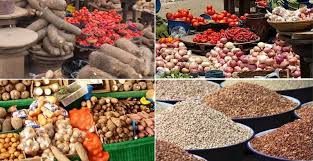
In August 2024, the President of the Federal Republic of Nigeria, through the Honourable Minister of Finance and Coordinating Minister of the Economy, Olawale Edun, approved a regulation implementing a zero percent duty rate and Value Added Tax (VAT) exemption on select basic food items. This policy, which is effective from 15 July 2024 until 31 December 2024, is a temporary measure aimed at addressing the high levels of food inflation and the national supply gap of essential food products. The items covered under the policy include husked brown rice, grain sorghum, millet, maize, wheat, and beans. The policy is not intended to undermine long-term strategies aimed at protecting local farmers and enhancing domestic production.
Eligibility to participate as an importer under this policy is restricted to established businesses with a proven track record of good governance and tax compliance for a minimum of five years. For companies importing husked brown rice, grain sorghum, or millet, additional requirements include ownership of a milling plant with a minimum capacity of 100 tons per day, which must have been in operation for at least four years, along with sufficient farmland for cultivation.
Importers of maize, wheat, or beans must be agricultural companies with adequate farmland or feed mills/agro-processing companies supported by an out-grower network for cultivation. At least 75% of the imported goods must be sold through recognized commodities exchanges, which will be monitored to ensure compliance.
Recently, Taiwo Oyedele, Chairman of the Presidential Committee on Fiscal Policy and Tax Reforms, announced plans to eliminate taxes on food, housing rents, and public transportation services in Nigeria. This includes making VAT on food zero-rated, not just exempt. While VAT exemption means that VAT incurred at earlier stages of production would still be paid, a zero-rated policy removes VAT entirely throughout the process, from production to sale. This policy, along with other proposals from the Committee, is expected to have a longer-term impact in alleviating food prices.
Overall, we anticipate that the implementation of a Zero Percent Duty Rate and VAT exemption on select basic food items through the end of the year, combined with the positive impact of the upcoming harvest season, should further moderate food prices from their recent highs. However, this expectation is tempered by the negative effects of recent petrol shortages and the recent increase in pump prices, which are likely to affect transportation and logistics costs.
Click here to read full PDF copy of research

