


October 2, 2024/CSL Research
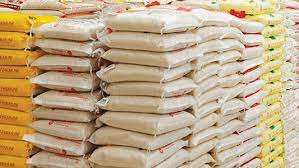
A Punch news report says the Federal Government is expanding its subsidised rice programme to address food insecurity in Nigeria, with plans to roll out sales in Lagos, Kano, and Borno states, according to a director at the Federal Ministry of Agriculture and Food Security. Earlier in September, the Minister of Agriculture and Food Security, Abubakar Kyari, launched the initiative in Abuja, offering 50kg bags of rice at a subsidised price of N40,000.
This effort is part of a larger strategy aimed at ensuring food security in Nigeria, particularly as market prices for a 50kg bag of rice have surged to around N90,000, and nearly N100,000 in some areas. Under the programme, the government is distributing 30,000 metric tonnes of rice, equivalent to approximately 1,000 trucks, each loaded with 600 bags.
Food inflation has over the years been driven by violent conflicts, including the insurgency in the North East; armed banditry in the Northwest; and perennial farmer–herder conflicts in the North Central and South West. Other factors driving food inflation include high input costs, poor implementation of agricultural policies, and high cost of transport. Also, Climate change, in particular, the rising incidence and frequency of floods, has continued to affect food production and the availability and affordability of food. The continuous rise in food inflation (though we are starting to see a decline) has contributed significantly to the rise of impoverished Nigerians from about 89.8 million at the beginning of 2023 to 104 million, according to the World Bank’s most recent Nigeria Development Update report.
While we laud the FG’s subsidised rice initiative, we remain worried about the ability to target the poor. Targeting is a common challenge in subsidy programs in developing countries. Ensuring that subsidies reach the intended beneficiaries, particularly the poor and vulnerable populations, is often difficult due to a range of structural, administrative, and socio-political factors. Many developing countries like Nigeria lack comprehensive, up-to-date data on household income and socio-economic status, making it hard to identify the poor accurately.
This can lead to inclusion errors (non-poor individuals receiving benefits) and exclusion errors (eligible poor individuals being left out). However, given that the rice subsidy program has been carried out nearly successfully in some developing countries like Indonesia, the Federal Government may as well study the template used in those countries to achieve reasonable
success.
Indonesia’s rice subsidy program, known as Raskin was aimed at improving food security for low-income households by providing subsidized rice at reduced prices. Targeting the poor effectively was a key challenge, and several mechanisms were used to ensure that the program reached those in need. For example, the Indonesian government relied on data from the National Social Economic Survey (Susenas) and other social welfare databases to identify eligible households allowing the government to create a list of those falling below the poverty line.
Local village leaders and community members also played a significant role in verifying and updating the list of beneficiaries. They had firsthand knowledge of households in need and could help ensure that the subsidized rice was distributed to the right people and more importantly, the program included monitoring mechanisms to track the distribution process
and evaluate its effectiveness.

