




October 15, 2024/Cordros Report
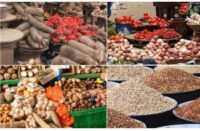
Food inflation reversed the two-month downtrend, rising by 27bps to 2.64% m/m in September (August: 2.37% m/m) – the highest reading since March 2024 (3.62% m/m), pushing the y/y print to 37.77%. The increase reflects the price surge across the Farm produce (+58bps to 2.76% m/m), Processed food (+18bps to 2.60% m/m), and Imported food (+100bps to 3.61% m/m) sub-baskets. We attribute the rise in food prices to the limited supply of farm produce induced by below-average green harvests, higher exchange rate pass-through on imported food items and increased transportation costs. Precisely, a report from the Farming Early Warning Systems Network (FEWSNET) indicated that the harvests of early maturing crops such as millet, yam, potatoes, and groundnut yielded below average, partly due to increased pest infestations and flooding, keeping prices of farm produce high. Additionally, the naira remained under pressure (-0.4% m/m to an average of NGN1,592.89/USD), stoking prices of imported food items. Furthermore, the recent hike in PMS prices led to increased transportation costs, which have subsequently been passed on to food prices, contributing to the overall increase in the prices of food items.
Elsewhere, the core inflation moderated for the first time in ten months, easing by 17bps to 2.10% m/m (August: +2.27% m/m). Despite the slowdown, we highlight that prices within the core basket remained elevated, reflecting the trifecta effects of (1) higher PMS prices, (2) increased naira volatility, and (3) rising transportation expenses. Consequently, we highlight that price pressures were significant across Transportation (+17bps to 2.85% m/m), Clothing & footwear (+11bps to 1.78% m/m), Education (+77bps to 2.19% m/m), and Utilities (+43bps to 2.31% m/m) sub-baskets. On a year-on-year basis, the core inflation eased by 15bps to 27.43% y/y (August: 27.58% y/y).
Outlook: Headline Inflation to Rise Further in October
While the main harvest season is expected to support food supplies, we highlight that the flooding incidents recorded in mid-September are likely to cap gains, limiting the impact on food prices. According to FEWSNET, over 342,000 hectares of cropland were estimated to be flooded across the country, particularly affecting food-producing states. Specifically, severe flooding occurred in Bauchi, Jigawa, and Borno States. In Yobe state, 11 out of 17 Local Government Areas (LGAs) were isolated due to bridge collapses, disrupting food distribution to markets. We anticipate these challenges will undermine food access in the short term, keeping food prices elevated. Additionally, we expect the persistent currency weakness to keep prices of imported food items high. Accordingly, we forecast food inflation to print 2.37% m/m, significantly higher than the 2019-2023 October m/m average (1.47%), pushing the y/y inflation higher to 38.39% (September: 37.77% y/y).
Elsewhere, we expect the core inflation basket to remain pressured in the near term, driven by already existing factors stoking non-food prices, including (1) rising PMS and gas prices, (2) currency depreciation, (3) higher transportation costs, and (4) increased electricity tariffs. As a result, we estimate core inflation to increase to 2.23% m/m, pushing the y/y rate higher to 27.49% (September: 26.36% y/y).
Overall, we forecast the headline inflation to settle at 2.34% m/m in October, leading to an increase in the y/y print to 33.49% (September: 32.70% y/y).

