



October 24, 2024/CSL Research
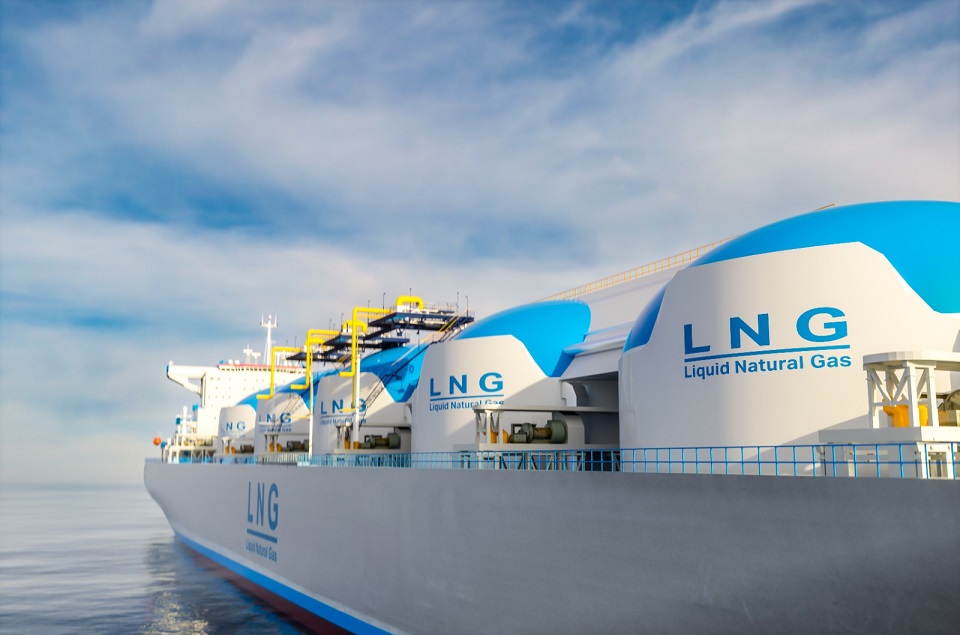
The Federal Government has announced a ban on the export of locally produced Liquefied Petroleum Gas (LPG), commonly known as cooking gas, starting 01 November 2024. The Minister of State for Petroleum Resources (Gas), Ekperikpe Ekpo, explained that this decision is aimed at prioritizing domestic supply to alleviate the rising cost of LPG for Nigerians. Under this directive, all producers, including the Nigerian National Petroleum Company Limited (NNPCL), will be required to stop exporting LPG. If exports do occur, producers must import an equivalent amount at cost-reflective prices. The new pricing framework will be based on local production costs, replacing the current model, which indexes prices to international markets, such as those in the Americas and Asia. As a long-term strategy, the government plans to develop additional storage, blending, and distribution facilities over the next 12 months. The export ban will remain in place until Nigeria achieves sufficient local supply and price stability in the domestic market.
A significant factor behind the sharp rise in domestic LPG prices over the past year has been the substantial devaluation of the Naira against the US Dollar, as LPG is priced in US Dollars. The Naira has depreciated by approximately 72%, from ₦464.67/US$ at the end of May 2023 to ₦1,654.09/US$ as of October 23, 2024 at the Nigerian Autonomous Foreign Exchange Market (NAFEM). Another key issue is Nigeria’s inadequate local production capacity for LPG, which has led to heavy reliance on imports. According to Suresh Kumar, Managing Director and CEO of NIPCO Plc, over 60% of the cooking gas consumed in Nigeria is imported, while less than 40% of the 1.5 million metric tonnes consumed annually is produced locally.
A recent report by the National Bureau of Statistics revealed that the average retail price for refilling a 12.5kg cylinder of cooking gas rose by 4.89% month-on-month, from ₦15,552 in August 2024 to ₦16,313 in September 2024. On a year-on-year basis, this represents a 76.41%
increase from ₦9,247.40 in September 2023. State-by-state analysis showed that Rivers State had the highest average retail price for refilling a 12.5kg LPG cylinder in September 2024 at ₦17,993, while Adamawa recorded the lowest average price at ₦13,983.
If effectively implemented, the directive could significantly lower LPG prices, helping to ease the cost-of-living crisis in Nigeria. This would also support the government’s push for cleaner energy adoption. The Federal Government’s long-term plan to enhance local storage, blending, and distribution infrastructure could attract increased foreign direct investment in the energy sector. There are already calls for companies like Chevron to convert more of their propane output into butane, which is better suited for domestic consumption. A reduction in cooking gas prices, widely used in many Nigerian households, is expected to positively impact core inflation. This, in turn, could lead to a drop in headline inflation, contributing to improved economic conditions in the medium term.

