




December 11, 2024/CSL Research
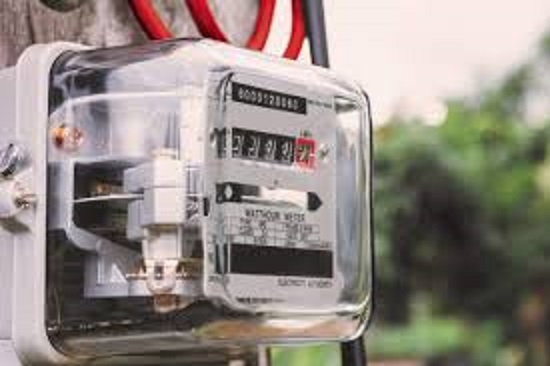
According to a Business Day report, the Federal Government of Nigeria is set to commence the distribution of electricity meters to customers in the first quarter (Q1) of 2025 under the Presidential Metering Initiative (PMI). This initiative aims to address the metering gap and eliminate estimated billing practices by providing 10 million meters over a five-year period.
As of 30 June 2024, only 5,993,340 (45.43%) of the 13,192,573 registered electricity customers across the twelve distribution companies (DisCos) had been metered. To ensure the success of the PMI, the government is collaborating with local meter manufacturers. In recent months, the Minister of Power has conducted inspections of these manufacturers to assess their capacity to deliver on the project. Additionally, plans to deploy 3.2 million meters under the World Bank-supported Distribution Sector Reform Program (DISREP) are progressing, with implementation expected to begin this month.
Ineffective metering remains a significant obstacle to the success of power sector reforms in Nigeria. The issue is twofold. While some consumers avoid paying for electricity by bypassing meters, others are unfairly charged for power they did not consume through estimated billing by electricity distribution companies (DisCos). Over the years, DisCos have often exploited the lack of adequate metering to their advantage. To address this challenge, the Meter Asset Provider (MAP) Regulation was introduced on 03 April 2018.
This regulation established meter asset providers as a new category of service providers within the Nigerian Electricity Supply Industry, aimed at bridging the metering gap. However, the requirement for consumers to make an upfront payment before meter installation discouraged widespread adoption of prepaid meters, despite their advantages. In response, the Central Bank of Nigeria (CBN) introduced a mass metering plan to promote the use of prepaid meters and reduce dependency on estimated billing. This initiative sought to make meters more accessible and affordable, ultimately supporting transparency and fairness in electricity billing.
The Federal Government launched the National Mass Metering Programme (NMMP) in 2020 and the CBN, in October of the same year, issued the Framework for its financing. The initiative is geared towards mass metering of Nigerians by providing loan facilities to (i) the DisCos (for the procurement of meters for its customers), and (ii) the local meter Manufacturers (for the manufacturing and assembling of meters). Under the program, meters are distributed to consumers at no upfront cost. Instead, the purchase price is programmed into the prepaid meter, allowing repayment to be spread across future electricity tariffs.The NMMP was designed to roll out meters in multiple phases.
The first phase, which involved the deployment of one million meters, was successfully completed in Q3 2021. However, the second phase, targeting the deployment of four million prepaid meters in 2023, has encountered setbacks, delaying further progress in the program. Despite efforts by the Federal Government and the World Bank-funded Distribution Sector Reform Program (DISREP), the financial resources required to meet the scale of the metering deficit remain inadequate. Achieving success in metering will require coordinated efforts from the government, regulatory bodies, DisCos, and other stakeholders to ensure the transparent,
efficient, and sustained implementation of metering programs.

