




March 12, 2025/CSL Research
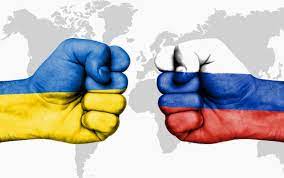
Recent developments indicate a potential pathway toward ending the ongoing conflict between Russia and Ukraine. On 11 March 2025, Ukraine agreed to a U.S.-proposed 30-day ceasefire and consented to immediate negotiations with Russia during talks in Jeddah, Saudi Arabia. In response, the United States lifted its freeze on military aid and intelligence sharing with Ukraine, expressing optimism that these steps could lead to a resolution of the three-year war.
However, significant challenges remain and both sides have intensified military operations recently, with Ukraine conducting drone attacks on Moscow’s infrastructure and Russia claiming gains in the Kursk region. These ongoing hostilities underscore the volatility of the situation and the complexities involved in achieving a lasting peace.
An end to the war could help ease inflation, improve food security, stabilize energy markets, and create new trade and investment opportunities for Nigeria. However, a potential downside is the impact on oil prices. The war caused fluctuations in global oil prices, and a ceasefire could bring more stability to the market. If oil prices drop significantly, Nigeria’s revenue—heavily reliant on crude oil exports—may decline. Lower earnings could deplete foreign exchange (forex) reserves, reducing the supply of U.S. dollars in the economy. Although the naira has been strengthening recently, a reduced dollar inflow could put pressure on the currency. Without effective diversification efforts and policy adjustments, Nigeria may struggle to cushion the economic impact of lower oil revenues.
The war contributed to inflation in Nigeria by driving up energy and food prices, primarily due to disruptions in global supply chains. A ceasefire could help stabilize these supply chains, easing inflationary pressure on imported goods. Nigeria relies heavily on wheat imports, with Ukraine being a major supplier. The war disrupted wheat shipments, causing a spike in the prices of bread and flour. Since 2021, wheat consumption has surged due to growing demand for semolina, pasta, noodles, and bread. Flour-based products are particularly popular during the dry season when other food crops are scarce.
A ceasefire could restore wheat supply, leading to lower food prices. Additionally, Russia is a key exporter of fertilizers, and the war severely impacted global fertilizer supply. This disruption affected Nigerian farmers, making agricultural inputs more expensive. A ceasefire could improve access to fertilizers, boosting local food production and enhancing food security.
A ceasefire could restore critical trade routes, lower costs for essential imports, and create new economic opportunities. Additionally, it would boost investor confidence, leading to increased foreign direct investment and economic growth. Improved stability in Europe could restore trade routes and improve business relations between Nigeria and both Russia and Ukraine. Investors who paused projects due to global uncertainty might regain confidence, benefiting Nigeria’s economy.
Click here to download full report: CSL Nigeria Daily -11 March 2025_ Russia Ukraine war.pdf

