


August 18, 2025/CSL Report
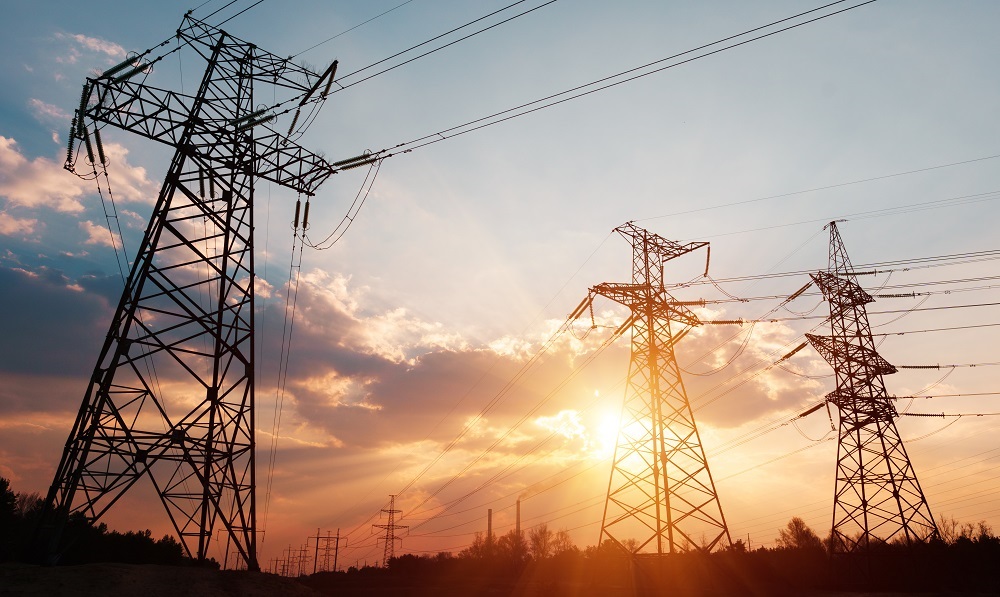
Minister of Finance, Wale Edun, disclosed last week that a proposal has been submitted to the Federal Executive Council (FEC) seeking approval for a plan to clear the Federal Government’s ₦4 trillion debt (c.1% of GDP) owed to power generation companies (GenCos).
This follows President Tinubu’s recent approval of a bond programme, alongside an ongoing audit to verify the longstanding obligations to the power sector. The arrears, which have built up over the past decade due to non-cost-reflective tariffs and weak revenue collection by distribution companies, have left the sector severely cash-strapped. Clearing the debt is expected to restore confidence among power producers, stabilise electricity generation, and attract new investment into the industry.
The proposed strategy to settle the arrears through bond issuance is anticipated to provide immediate liquidity boost to the sector, enabling GenCos to meet urgent operational and debt service obligations. However, this approach comes with broader fiscal implications, as the issuance would increase Nigeria’s public debt stock, which based on the newly rebased GDP figures stood at 39% of GDP as of end-2024. Furthermore, concerns remain about the potential impact of higher debt service obligations. It is important to stress that while clearing arrears may temporarily ease liquidity pressures for GenCos, it does not resolve the underlying structural challenges that led to the build-up in the first place. The persistence of below cost-reflective tariffs remains a major barrier to financial viability in the power sector.
Notably, only about 15% of electricity consumers were affected by last year’s tariff hikes, leaving the bulk of consumers insulated from the true cost of electricity supply. We note that without more comprehensive tariff reforms, the risk of arrears re-emerging remains high, potentially undermining the effectiveness of the government’s intervention.
Looking ahead, while there are signs of political will to implement gradual tariff adjustments, the government faces a delicate balancing act. Any substantial hike in electricity tariffs would likely spark strong public resistance, given the already elevated cost of living, rising inflation, and weak household purchasing power. With elections approaching, the administration may also be wary of pushing through unpopular reforms that could erode political support. We note that sustained recovery in the power sector will require comprehensive policy reforms –including the phased introduction of cost-reflective tariffs, accelerated deployment of metering infrastructure to curb energy theft, and significant improvements in billing efficiency and revenue collection by DisCos. Moreover, restoring financial discipline across the value chain is essential to attract new capital and unlock financing from both domestic and international investors. Without these deeper reforms, the power sector risks remaining dependent on government bailouts, with limited progress in boosting electricity generation, grid reliability, and overall energy access.
Click here to download full report: CSL Nigeria Daily – 18 August 2025 – Debt.pdf

