




December 1, 2025/CSL Report
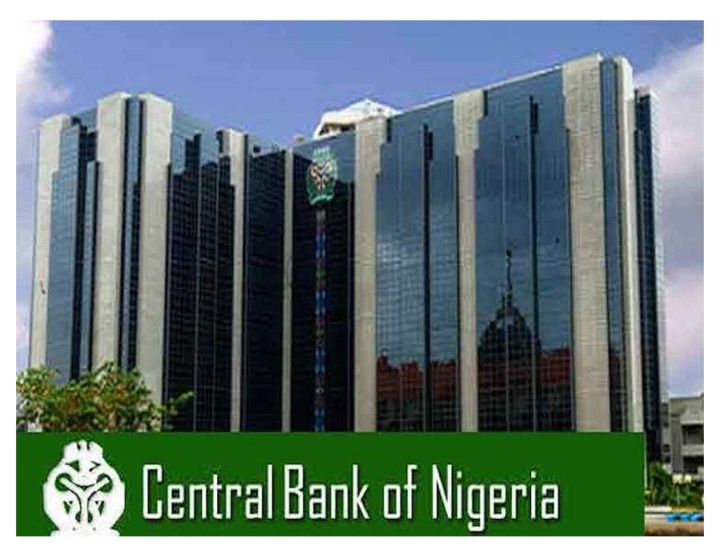
Central Bank of Nigeria (CBN) Governor Olayemi Cardoso has signalled that policymakers may begin cutting interest rates next year, provided the current trajectory of easing inflation is sustained. Speaking at an annual banking forum on Friday, Cardoso indicated that the CBN is prepared to recalibrate its policy stance as price pressures ease and macroeconomic conditions continue to improve.
The Governor added that the anticipated decline in inflation next year is likely to be supported by improvement in foreign exchange liquidity, stronger economic activity, and more disciplined liquidity management. We share the view that inflation will moderate in 2026, creating room for a more accommodative monetary stance.
From a market impact perspective, the signal of potential rate cuts next year is likely to drive increased demand for medium to long dated bonds as investors continue to position ahead of a downward shift in yields. We note that expectations of policy easing could compress yields more quickly, particularly if inflation declines faster than projected.
Against this backdrop, we continue to see gains in extending duration at the long end of the yield curve, while reducing exposure at the short end, where volatility may persist as markets reassess the timing and magnitude of policy adjustments. In line with this, we maintain our recommendation to accumulate the 2033s and 2035s (see CSL Fixed Income and Equity Strategy Report: “Eyes on the horizon for the next market catalyst”, 07 October).
In the equities market, a more defined path towards lower interest rates is expected to strengthen the corporate earnings outlook especially for interest-rate-sensitive sectors such as consumer goods, industrials, and telecommunications. This should, in turn, support higher valuation multiples and improve overall market performance next year. However, persistent uncertainty surrounding the implementation of Capital Gains Tax (CGT) may continue to create short-term headwinds. For the banking sector, a lower interest rate environment could compress net interest margins. However, we note that the scale of this impact will largely depend on how quickly and decisively the CBN moves to ease its policy rate.
Turning to the foreign exchange market, we believe that the anticipated monetary easing is unlikely to significantly pressure the Naira in the near term, as the rate cuts should be guided by a credible disinflation progress. Moreover, with major global central banks shifting towards a more accommodative policy stance, emerging market assets and their currencies should remain attractive to offshore investors, helping to limit the risk of capital outflows.
Click here to download full report: CSL Nigeria Daily – 01 December 2025 – Monetary Policy.pdf

