




January 23, 2026/CSL Report
The Minister of Finance and Coordinating Minister of the Economy, Wale Edun, recently disclosed in a conversation with Bloomberg Television that the present administration is shifting its fiscal focus toward internal revenue generation as part of broader reforms aimed at strengthening Nigeria’s economic sustainability.
According to the Minister, the government is prioritising revenue mobilisation and domestic resource generation to reduce its reliance on borrowing. While Nigeria has not lost access to the international capital market, the administration is deliberately emphasising the need to build a stronger domestic revenue base through ongoing fiscal reforms.
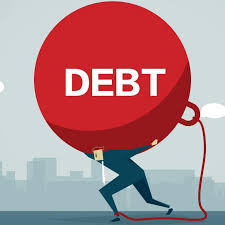
Nigeria’s heavy reliance on debt to finance government expenditure has constrained fiscal sustainability by diverting a large share of public revenue to debt servicing, thereby reducing resources available for capital investment, social services, and economic diversification. This dependence has weakened the government’s ability to respond to economic shocks, heightened exposure to exchange-rate and interest-rate risks, and strained key fiscal indicators, particularly given Nigeria’s low revenue mobilisation.
Over time, persistent borrowing has undermined investor confidence, raised financing costs, and shifted the burden of today’s spending to future generations, reinforcing the need for stronger domestic revenue generation and more efficient use of public funds.
This debt burden has been further exacerbated by structurally weak revenue mobilisation. Historically, Nigeria’s tax-to-GDP ratio has remained persistently low, ranking among the weakest globally and well below the African and emerging market averages. For much of the past two decades, the ratio has hovered between about 6% and 10%, reflecting structural challenges such as a narrow tax base, a large informal sector, widespread exemptions, weak tax administration, and heavy dependence on oil revenues rather than broad-based taxation.
Although recent reforms suggest gradual improvement, Nigeria’s historical tax performance underscores a long-standing gap between economic potential and actual revenue mobilisation. According to Wale Edun, Nigeria’s tax-to-GDP ratio has increased from 10% to 13.5% in 2025, with government projections targeting 18% in 2026.
That said, important concerns persist. Recurrent cases of fiscal indiscipline raise questions about the efficiency and integrity of public resource utilisation, particularly in the absence of robust transparency and accountability mechanisms. Moreover, government credibility within the social contract has been strained by allegations of alterations to the tax reform bill.
These developments have heightened public anxiety over the security and intended objectives of the reforms, potentially undermining citizens’ willingness to comply and ultimately, the success of the revenue mobilisation agenda
Click here to download full report: CSL Nigeria Daily – 23 January 2026 – Economy.pdf

