




February 18, 2026/CSL Research
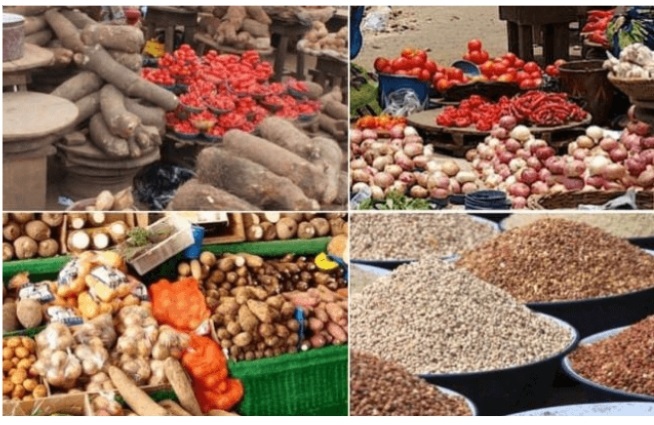
Recently released data from the National Bureau of Statistics (NBS) showed that headline inflation eased further to 15.1% year-on-year (y/y) in January, down slightly from 15.2% y/y recorded in the previous month. A key driver of the slowdown was the sustained moderation in food prices. Food inflation declined notably to 8.9% y/y in January from 10.8% y/y in December, suggesting improving supply conditions.
A relatively strong harvest season, alongside targeted government intervention measures, helped ease price pressures across key staples. In addition, the roughly 2.4% appreciation of the Naira during the month reduced the cost of imported agricultural inputs, reinforcing the downward momentum in food prices.
Despite this improvement, Nigeria’s food supply system remains structurally vulnerable. Over the years, production has been disrupted by climate variability, global supply chain shocks linked to conflicts such as the Russian invasion of Ukraine, and domestic policy shifts including the Nigeria border closure. More recently, the removal of the petrol subsidy and the sharp devaluation of the Naira significantly increased transportation and input costs, compounding inflationary pressures across the food value chain.
However, insecurity continues to pose the most persistent threat to agricultural output. Farmers across several regions, including parts of southern Nigeria, report repeated attacks on their farms by armed herders, leading to crop destruction, displacement, and in tragic cases, loss of life. The fear of violence has discouraged cultivation in affected areas, reduced planting acreage, and disrupted harvesting cycles. This has materially constrained food production and contributed to periodic supply shortages in recent years.
While the latest inflation data suggest near-term relief, the sustainability of food price moderation will depend heavily on resolving these structural and security challenges. Continued improvements in rural security, predictable trade and FX policies, and sustained support for agricultural productivity will be critical to maintaining supply gains. Without these reforms, the current disinflationary trend may prove temporary, with the risk of renewed food price pressures should planting decline or security conditions deteriorate. For investors, the outlook is cautiously optimistic in the short term, but medium-term risks tied to structural bottlenecks and insecurity remain significant.
Click here to download full report: CSL Nigeria Daily – 18 February 2026 – Economy.pdf

