




By Agency Reporter
Wednesday, 19 Jan 2011
United Kingdom’s inflation accelerated more than economists forecast to an eight-month high in December as fuel and food prices rose, adding to pressure on the Bank of England to raise the key interest rate from its record low.
Bloomberg News reported on Tuesday, that consumer prices rose 3.7 per cent from a year earlier after a 3.3 per cent increase in November.
The Office for National Statistics said that the median forecast of 31 economists in a Bloomberg survey was 3.4 per cent. On the month, prices rose one per cent, the most since records began in 1996.
The pound jumped after the report. Bank of England Governor, Mr. Mervyn King will need to write a fifth consecutive public letter of explanation if inflation persists above the government’s three per cent limit in next month’s data as higher sales taxes take effect. The bank’s markets director, Mr. Paul Fisher, said in a newspaper interview that inflation was “very uncomfortable,†though it would probably peak in the first three months of 2011.
“Inflation above four per cent in the first quarter looks almost inevitable,†an economist in London at National Australia Bank and a former central bank official, Mr. David Tinsley said, “It adds to pressure on the bank. The first rate increase is looking increasingly likely in May, and April isn’t impossible,†he added.
The pound rose as much as 0.5 per cent after the data and was at 1.6007 in London. The yield on the two-year government bond rose by six basis points to 1.38 per cent.
The monthly increase in prices in December compared with economists’ forecast for a 0.7 per cent increase. So-called core inflation, which excludes costs of energy, alcohol, food and tobacco, rose an annual 2.9 per cent.
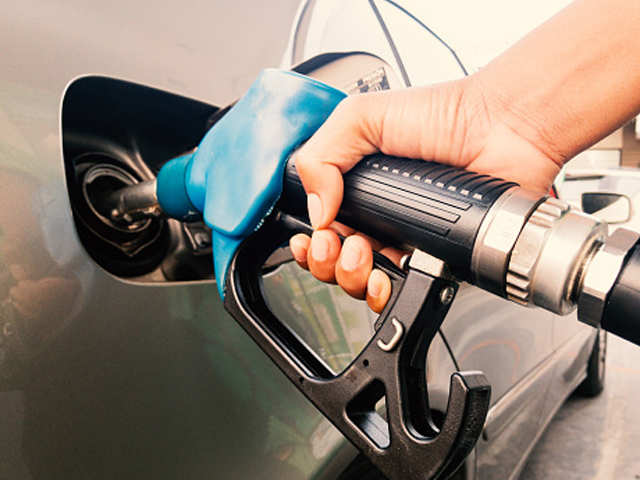
Transport, including fuel, added the most to the monthly and annual price indexes in December, the statistics office said. Transport costs jumped a record 3.6 per cent on the month and were up 6.5 per cent on the year. Food and non-alcoholic drinks rose 1.6 per cent on the month and 6.1 per cent from a year earlier. The annual gain was the biggest since May 2009.
Retail-price inflation, a measure of the cost of living used in wage negotiations, accelerated to 4.8 per cent in December from 4.7 per cent the previous month, matching economists’ forecast. Excluding mortgage costs, inflation by that measure was 4.7 per cent, the statistics office said.
“There’s a little bit more inflation coming through,†Finance Director, Tesco Plc, Mr. Laurie McIlwee said on January 13. The UK’s largest retailer said that holiday revenue growth lagged competitors as consumers bought fewer electronic items and the snow kept shoppers away.
The Bank of England’s Monetary Policy Committee held the key interest rate at a record low of 0.5 per cent last week and its bond-purchase plan at $319bn. Minutes of the decision will be published next week and will show if Andrew Sentance maintained his push for higher rates, or Adam Posen kept up his call for more bond purchases.
Inflation is “very uncomfortable†though “I wouldn’t want to go back and change policy,†Fisher said in an interview with the Yorkshire Post newspaper, published on Tuesday. “We can’t get over-concerned over the short-term inflation rate over which we can’t exercise any great control,†he added.
Inflation averaged 3.4 per cent in the fourth quarter, higher than the 3.2 per cent forecast by the Bank of England in November. At that time, it predicted average inflation of 3.6 per cent in the first quarter.
Lawmaker Michael Fallon, a member of the panel that scrutinizes the Bank of England and the Treasury, said this week that policy makers should start a series of “gradual†rate increases now to avoid sharper rises later.
ÂÂÂ
Source: punch

