




December 14, 2021/United Capital Report
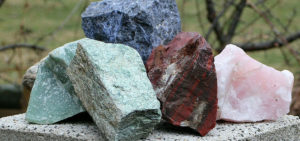
Last week, the National Bureau of Statistics (NBS) released a report on Mineral Production Statistics for 2019 and 2020. According to the report, solid mineral production climbed by 18.0% y/y in 2020, totaling 64.3mmt, up from 54.5mmt in 2019. Kogi, Ogun, and Cross River States were the top three mineral-producing states, accounting for 19.4% (12.5mmt), 18.8% (12.1mmt) and 13.8% (8.9mmt) of all minerals produced, respectively. Borno, on the other hand, produced the lowest volume, with only 5,060 tons. In 2020, the most mined minerals were limestone, sand, and granite, largely a function of demand from cement manufacturers, as well as construction players.
Zooming out, solid mineral output grew by 40.6% from 45.7mmt in 2017. Despite the modest growth, the sector remains massively underexploited, as critical issues not limited to policy, infrastructure, insecurity, and lack of technical expertise limit potential by deterring investment. To put the magnitude of under-exploitation in perspective, while over 100mmt deposits of talc have been identified in Niger, Osun, Kogi, Ogun, Oyo, Kebbi and Kaduna states, Talc output totaled only 8,404.3 tons in 2020. This portends vast amounts of lost potential earnings from domestic and foreign demand. Furthermore, Nigeria is enriched with over forty (40) different minerals including marble, gypsum, granite, gold, lithium, silver and iron-ore, with similar levels of under-exploration.
The goal of the current administration, vis-à-vis its Mining Sector Roadmap is for mining and allied sectors to contribute $27.0bn to Nigeria’s GDP in direct and indirect ways by 2025. Looking forward, challenges hampering growth in the sector such as limited geoscience data & information, inadequate electricity supply, poor access roads to deposits sites, insecurity, illegal mining and most of all, poor funding, must be surmounted before any meaningful growth is achieved.
Please CLICK HERE to download the report.

