




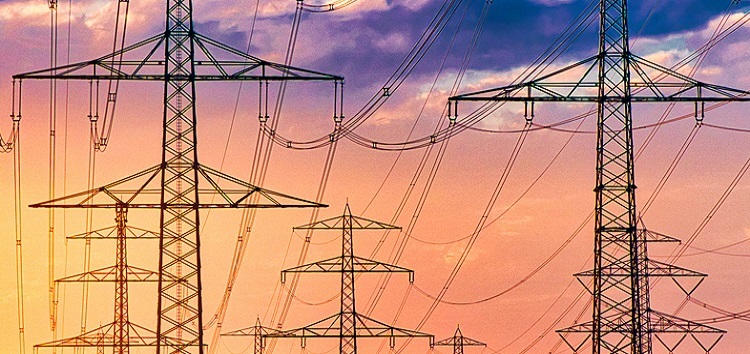
Concept for electricity generation, rising electricity prices, environmental issues, climate change. Image Credit: EBRD
November 22, 2023/FBNQuest Research
According to the most recent update on the power sector from the Nigerian Electricity Regulatory Commission (NERC), the total electricity generated by the distribution companies (Discos) declined by -5% q/q to 8,867.1 gigawatt hours (GWh) in Q2 ’23. The q/q drop in electricity generated by the Discos was mostly attributable to a reduction in the available generating capacity of power plants across the grid. However, on a y/y basis, total electricity generated was up +14% y/y.
One of the biggest limitations to efficient electricity generation in the industry is insufficient gas supply. The Q2 ’23 report shows that the country has about 26 grid-connected power generating plants, 18 of which are gas-fired plants. This further highlights the sector’s productivity on the availability of gas.
To put into context, the commission pointed out that shortage of gas during the quarter limited the energy generating capacity of gas-fired thermal plants.
We also see from the data that the Discos were only able to bill 5,789.2GWh, out of the total 7,100.9GWh of energy received during the quarter.
Consequently, the total revenue collected by the Discos of NGN267.9bn fell below the issued energy bill of NGN354.6bn in Q2 ’23.
This represents a collection efficiency of about 75.5%, an improvement compared to 68.8% recorded in the previous quarter.
According to NERC, the improvement in the collection efficiency was primarily due to better metering performance by Discos and the implementation of several collection initiatives aimed at encouraging post-paid customer remittances.
In addition to issues with power grids, the sector’s productivity is also hindered by illiquidity constraints. These challenges are partially because of non-cost reflective electricity tariffs and poor level of revenue collections caused by the country’s huge metering gap.
Due to the shortfall in revenue collection, the Discos were only able to remit NGN185bn of the NGN195bn invoiced to them by the Nigerian Bulk Electricity Trading Plc (NBET) and the market operator.
With respect to distribution, the aggregate technical, commercial & collection (ATC&C) losses recorded by the industry was 38.4%, lower than the 46.4% in Q2 ’23. However, it was still significantly higher than the c.20.1% allowance as stated in the Multi-Year Tariff Order (MYTO) for Q2 ’23.
We commend the new administration’s steps in attracting investment in the sector. However, concerted effort must be made to reduce the huge metering gap, implement cost-reflective tariffs, and strengthen the sector’s infrastructure framework in order to make the sector more appealing to investors.

