



January 15, 2024/CSL Research
In a recent development, the Federal Government (FG) has reassigned its 40% shareholding in electricity distribution companies (DisCos) from the Bureau of Public Enterprises (BPE) to the Ministry of Finance Incorporated (MOFI).
In a letter dated January 10,2024, Wale Edun, the Minister of Finance and Coordinating Minister of the Economy, directed the board of directors of the Ministry of Finance (MOFI) to take over ownership, control, and management of the Federal Government of Nigeria’s equity holdings in Nigeria’s 11 distribution companies (DisCos).
The 11 distribution firms were unbundled from the defunct Power Holding Company of Nigeria in November 2013. A total of US$1.26bn was paid by investors for 60% stake in the distribution companies, while the government retained the remaining 40%.
The Bureau of Public Enterprise (BPE) had last year, announced plans to divest the remaining 40% shares held by the federal government in the Distribution Companies (DisCos) and four additional assets in 2024. The other assets slated for sale include Eleme Petrochemicals Company Ltd, Nigeria Reinsurance, NICON Insurance, and Nigeria Machine Tools in Oshogbo.
In a related development, the Nigerian Electricity Regulatory Commission (NERC) recently initiated the sale of Kaduna Distribution Company (DisCo), the sixth-largest power distribution utility. This move, which comes less than two years after a consortium of lenders took control but failed to revive its financial fortunes was according to NERC, necessitated by a US$130 million unsettled debt incurred by the company.
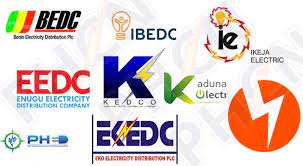
The federal government, in collaboration with the Asset Management Corporation of Nigeria (AMCON) and various banks, had previously taken over Kano Electricity Distribution Company, Ibadan Electricity Distribution Company, BEDC Electricity Plc, Kaduna Electric, and Port Harcourt Electricity Distribution Company due to perceived poor performance and financial instability.
In 2014, the generation and distribution segments of the power sector value chain were privatised to attract new investments and introduce private sector efficiency in running the segments. However, almost 10 years later, it is widely accepted that the privatisation process has not yielded desired results. The sector has been plagued by several challenges including lack of cost reflective tariffs, poor metering coverage, energy theft, decrepit infrastructure, and regulatory stranglehold.
Though we acknowledge that the challenges in the nation’s power sector run across the entire value chain, we believe the distribution companies are the most troubled and the most potent factor driving the liquidity squeeze in our view, stems from the non-cost reflective tariff charged by the Discos.

