


By InvestAdvocate
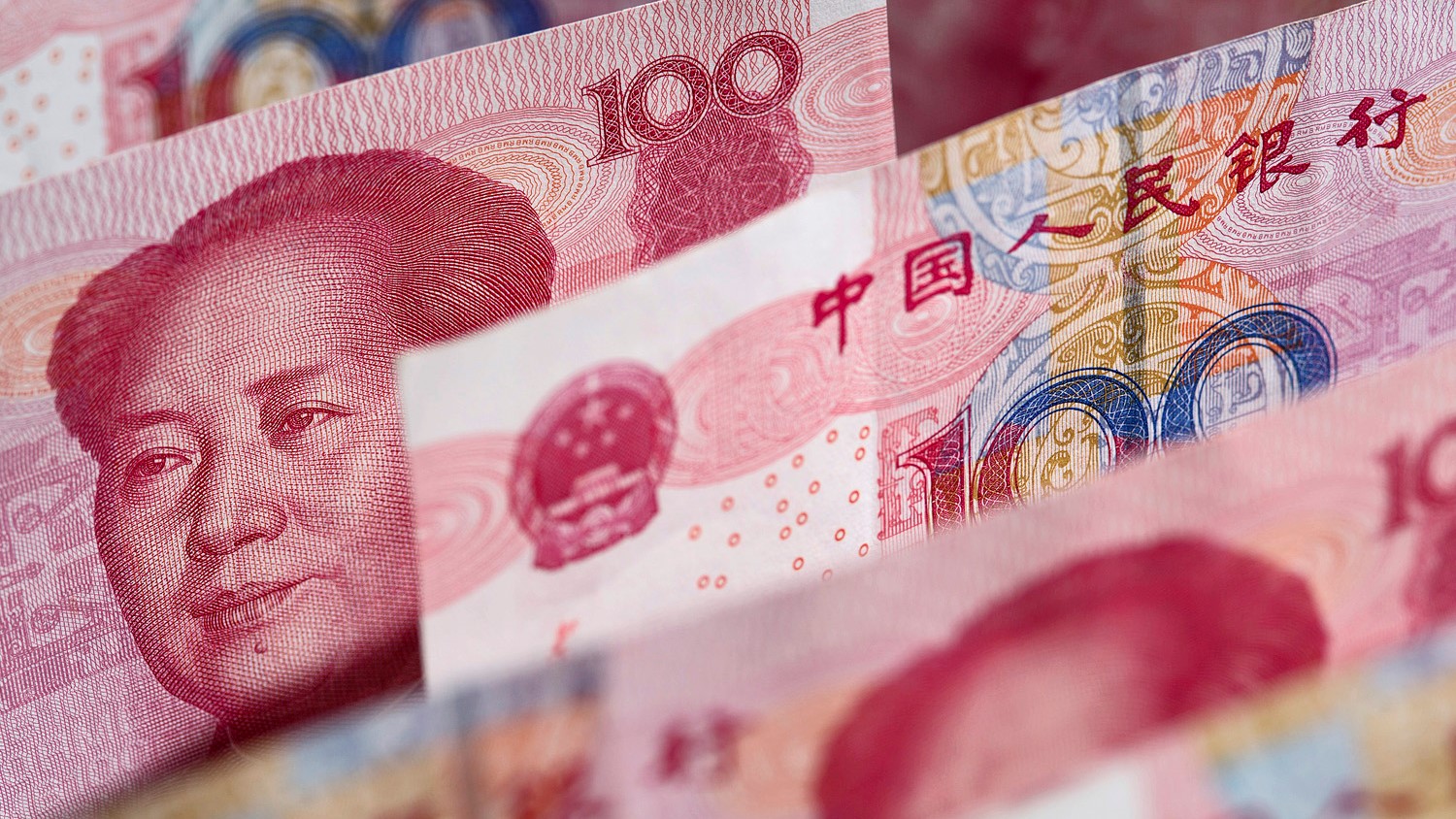
Lagos (INVESTADVOCATE)-China’s yuan also known as renminbi surged to a six-week high on Tuesday, driven by rising optimism for easing tensions between Beijing and Washington could steer the world’s two largest economies away from a protracted trade standoff.
Onshore trading resumed after the Labour Day holiday with the yuan climbing as high as 7.23 per dollar—the strongest intraday level since March 20—before settling 0.45% firmer at 7.2388 as of 0202 GMT. Its offshore counterpart, which remained active through the holiday period, earlier pierced the psychologically pivotal 7.2 barrier, touching levels not seen since November.
The sharp rally in the renminbi follows remarks from U.S. President Donald Trump over the weekend, who signaled a willingness to engage in trade discussions with several nations, including China, and emphasized his administration’s focus on forging “fair” trade agreements. Beijing responded cautiously, stating it was “evaluating” a U.S. overture for talks, but warned against what it described as “extortion and coercion.”
“The market is leaning into the possibility of re-engagement between Washington and Beijing,” said Christopher Wong, FX strategist at OCBC Bank. “This has helped catalyze a wave of risk-on sentiment, reinforcing expectations of a de-escalation in tensions.”
Prior to the market’s open, the People’s Bank of China (PBOC) set the yuan’s daily midpoint at 7.2008 per dollar—its strongest fix in nearly a month and over 500 pips stronger than market estimates—signaling an official preference for currency stability despite broader volatility. While the central bank has shown more tolerance for a weaker yuan in recent weeks, Tuesday’s firm guidance is seen as an effort to prevent excessive appreciation while navigating tariff-induced headwinds.
Barclays analysts noted that with both sides tentatively approaching dialogue, “the near-term bias remains tilted toward further yuan strength,” though they cautioned that Beijing is unlikely to welcome a runaway rally given mounting economic strain.
Indeed, China’s manufacturing sector contracted at its fastest pace in 16 months in April, underscoring the toll of aggressive U.S. tariffs—including a recent hike to 145% on Chinese goods—on industrial momentum. Analysts argue the yuan remains a critical lever for Chinese policymakers, who are juggling trade friction, weakening external demand, and the imperative for economic stabilization through fiscal and monetary support.
Still, for now, the currency’s ascent reflects cautious hope that renewed diplomacy might inject fresh momentum into an increasingly brittle global trade landscape.

