

July 15, 2026/CSL Update
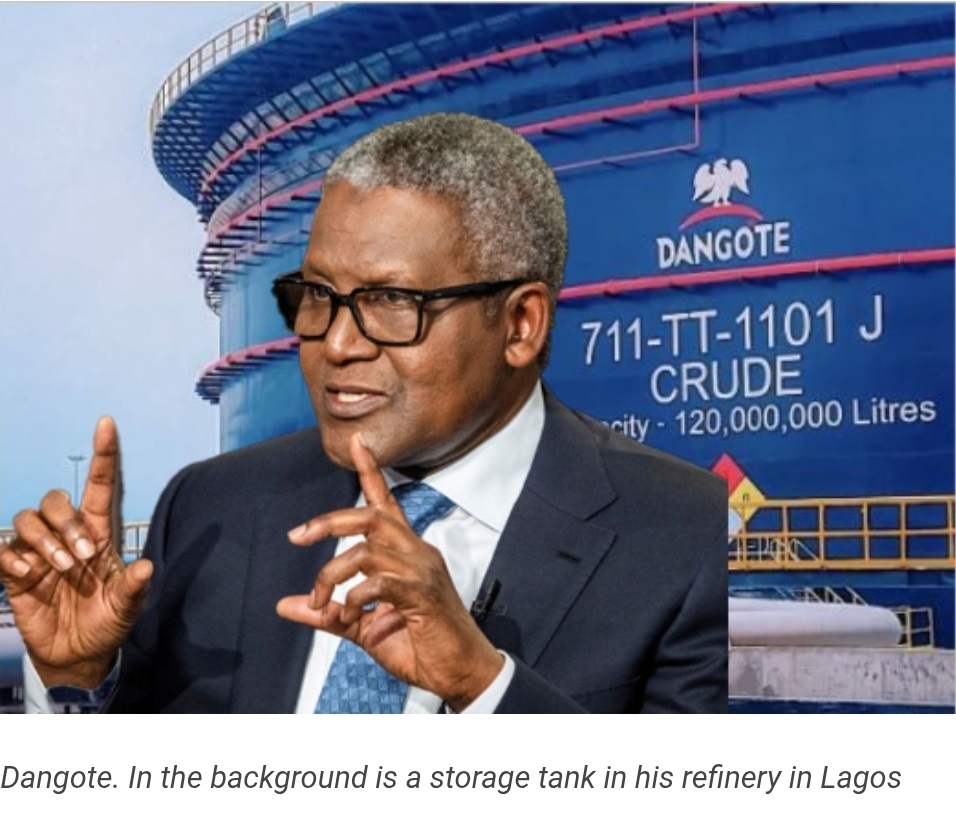
The Dangote Petroleum Refinery has announced the transition of its commercial operations to US dollar-denominated pricing, effective 13 July 2026. Under the new pricing framework, the refinery fixed its ex-depot prices at US$0.779 per litre for Premium Motor Spirit (PMS), US$1.087 per litre for Automotive Gas Oil (AGO), and US$0.942 per litre for Aviation Turbine Kerosene (ATK). It also set the coastal delivery price for PMS at US$1,044.6 per metric tonne. Consequently, the refinery invalidated all previously issued Naira-denominated proforma invoices and deal recaps, instructing petroleum marketers and customers not to make further payments against those invoices and to await revised documentation reflecting the new pricing structure.
The decision reflects the refinery’s need to better align its pricing currency with the currency of its principal input costs. As we noted previously (see CSL Daily Report: “Dangote Refinery imports Libyan crude as domestic feedstock constraints persist”, 1 July), the refinery has increasingly relied on imported crude oil from countries including Libya, the United States, the United Arab Emirates, Ghana and Guyana to supplement domestic supply. These crude purchases are settled in US
dollars, while a significant proportion of other operating costs, including financing are also dollar-linked. Maintaining Naira-denominated product pricing under these circumstances exposed the refinery to substantial foreign exchange risk, particularly amid heightened volatility in global crude oil prices following geopolitical tensions in the Middle East. Aligning refined product prices with the currency of feedstock procurement is therefore a commercially rational decision aimed at preserving margins and reducing currency risk.
The immediate implication for Nigeria’s downstream petroleum market is the introduction of greater exchange rate pass-through into domestic fuel prices. Going forward, the Naira cost of refined petroleum products will be determined primarily by the prevailing Naira-dollar exchange rate, international product prices, logistics costs, distribution margins, and other statutory charges. At current exchange rates, the new US$0.779 per litre PMS ex-depot price translates to approximately ₦1,080 per litre at the refinery gate before transportation costs, dealer margins, and other distribution expenses are added. Depending on exchange rate movements and marketing margins, retail pump prices could increase materially from current levels, placing renewed upward pressure on transportation costs, headline inflation, and household purchasing power.
Beyond pricing, the transition also has important implications for Nigeria’s foreign exchange market. Petroleum marketers purchasing products from the refinery will now require US dollars for settlement, potentially increasing demand in the official foreign exchange market. From a policy perspective, the development raises important questions regarding the future structure of the government’s domestic crude supply framework and its broader support for local refining.
Although the refinery’s adoption of dollar pricing does not necessarily imply the formal termination of the crude supply arrangements with NNPC, it suggests that commercial realities are increasingly being driven by dollar-based feedstock procurement. The government may therefore need to reassess how domestic crude is allocated to local refiners and whether additional measures are required to enhance crude availability, improve foreign exchange liquidity, or cushion vulnerable consumers from the inflationary effects of higher fuel prices.