

As major banks move on-chain, robust infrastructure is proving key to scaling tokenized asset markets
July 15, 2026/Spreckley
As institutions like JPMorgan accelerate plans to bring traditional assets on-chain, tokenization infrastructure is emerging as the critical foundation for secure, compliant, and scalable real-world asset (RWA) markets.
According to D24 Fintech, tokenization infrastructure is enabling everything from real estate and commodities to debt instruments, carbon credits, and intellectual property rights to be represented as digital tokens on blockchain networks, creating new investment opportunities and improving market efficiency.
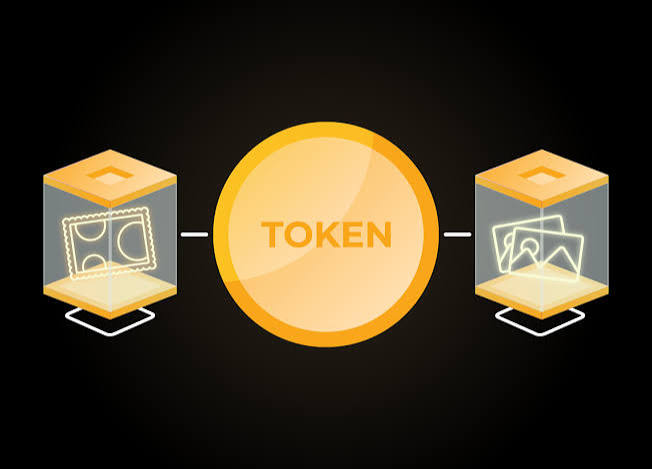
Tokenization converts ownership rights in physical or traditional assets into digital tokens recorded on distributed ledgers. This process allows institutions to unlock liquidity, broaden investor participation, and streamline historically complex administrative workflows.
At the center of this shift is a structured tokenization model that includes advisory and feasibility analysis, legal structuring, technical issuance, investor marketing, and secondary market trading. This end-to-end approach is helping businesses move assets from legacy systems into digitally native financial markets.
“Tokenization infrastructure is becoming essential for financial market architecture,” said Ashish Sethi, Chief Executive Officer at D24 Fintech. “It has long stopped being a theoretical idea. Now, institutions are looking at how they can digitize illiquid assets, automate ownership transfers, and access global pools of compliant investors.”
Sethi explains that the technical layer behind tokenization is particularly important, including blockchain selection, smart contract deployment, custody solutions, and exchange connectivity. Public, private, and hybrid blockchain models are being explored to address privacy, interoperability, and regulatory requirements.
Security token standards such as ERC-1404 and ERC-3643 (ex-T-REX) are increasingly being used to support compliant token issuance, enabling transfer restrictions, investor permissions, and multi-asset management directly at the protocol level.
Security also remains a major priority as institutional tokenization projects increasingly rely on MPC and HSM key management, as well as audited smart contracts to reduce custody risks and eliminate single points of failure.
“Strong wallet infrastructure and institutional-grade custody are fundamental to tokenization success,” as per D24 Fintech. “Without robust key management and transaction controls, institutions cannot confidently scale digital asset strategies.”
“Compliance technology is another major component of tokenization infrastructure. Identity verification, KYC, KYB, and AML monitoring tools are now being integrated directly into onboarding and transaction workflows, helping issuers meet jurisdictional requirements while reducing friction for investors.
“Tokenization offers substantial commercial advantages, including faster settlements, lower operational costs, fractional ownership models, and improved transparency through immutable on-chain records.”
Industries such as real estate, energy, natural resources, and financial services are currently among the most active adopters, using tokenization to access capital more efficiently and engage broader investor communities.
“We are seeing tokenization move from experimentation to implementation,” added D24 Fintech. “Businesses now recognize that infrastructure readiness, not demand, is often the deciding factor in whether a tokenization strategy succeeds.”
“Ultimately, the next phase of RWA growth will depend on institutions combining compliant issuance models, secure custody, blockchain interoperability, and secondary market liquidity into one integrated framework. Those that do so successfully will be well-positioned to lead the future of digital finance,” concluded D24 Fintech.