



 By Stanley Opara with agency report
The Governor, Central Bank of Nigeria, Mr. Lamido Sanusi, has said the apex bank may raise interest rates for a second time this year as higher oil prices and state spending threaten to boost inflation.
Sanusi said oil price, which had reached $100 a barrel, was making the CBN’s job “more difficult†as the government increased subsidies on fuel imports, adding to inflation pressure.
He spoke in an interview with Bloomberg Television in London on Friday.
The bank has kept interest rates low since 2009, while pumping N620bn ($4bn) into Deposit Money Banks to avoid a collapse of the industry.
Now, government spending is rising ahead of April elections, banks are signing recapitalisation accords and inflation accelerated to 12.1 per cent in January from 11.8 per cent a month earlier.
“We had easy money because we had a banking system on the brink of collapse,†Sanusi said, adding that, “we bailed out the banks and everybody knows you don’t tighten money when your banks are suffering a liquidity crisis.â€ÂÂ
Two Nigerian banks bailed out by the central bank in 2009 have signed accords to receive more capital, either through mergers or acquisitions, and four others are close to signing takeover agreements, Sanusi said.
“I can confirm that two banks have signed memorandums of understanding, I’m just not able to disclose their names because we do have an approval waiting from the Securities and Exchange Commission,†Sanusi said, adding, “One signed almost two weeks ago and one signed on Thursday. We have two that are ready to sign in the next week or two,†and two others that are also close.
The transactions are part of plans by the apex bank to recapitalise the banking system after the industry neared collapse following a debt crisis.
While the banks have signed accords and four others are close to signing, agreements with another two lenders have been held up by “thorny issues,†Sanusi said. The other two banks in financial trouble are “very tiny†and “frankly are not causing us too much concern,†he said.
Rising government spending and an increase in liquidity as the CBN recapitalised commercial banks were “reasons for tightening†monetary policy, and further rate increases would depend on the March inflation data, he said.
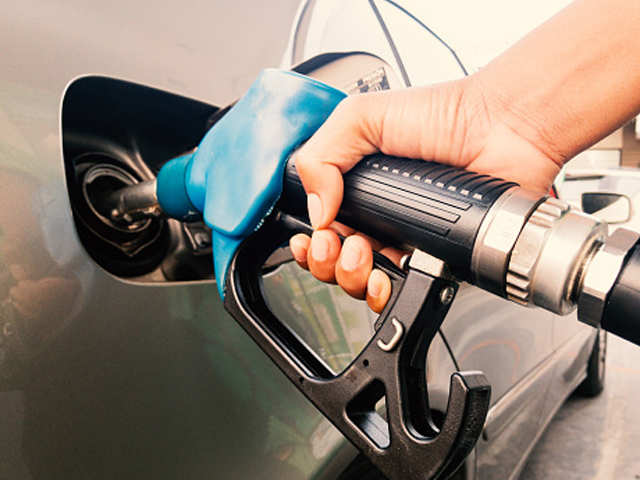
Nigeria relies on fuel imports for more than 70 per cent of its domestic needs because of a lack of refining capacity. Sanusi estimated in June last year that the subsidy on domestic fuel prices would cost the government N520bn in 2010.
“Because we import a lot of our energy, we don’t get the full benefit of the higher oil price because it translates into higher prices for the petroleum products that we import. The government is subsidising those products, which then means you get an increase in government deficits and government spending. So my job gets more difficult managing those things,†Sanusi explained.
The CBN boss said inflation was driven by “structural forces,†such as rising food prices, and that the bank could not lift interest rates to curb that impact on inflation.
“We are more realistic about the limitations of monetary policy when inflation is driven by structural forces. We think we stand the risk of exaggerating the short-term impact of tightening of monetary policy. If you’ve got bad weather, there’s nothing you can do about it,†the CBN governor said.
Sanusi said the bank would not let the naira depreciate as a stable exchange rate was the most effective tool for controlling inflation. He added that a weaker currency would not compensate for poor economic policy.
“The exchange rate, to us, seems to be far more important for price stability than interest rates,†Sanusi said, explaining that with local farm produce, fuel and imported food making up more than 70 per cent of the inflation index, borrowing costs had a limited impact on prices.
The CBN is “comfortable†with the current band in which the naira trades, Sanusi noted, hinting that the bank aimed to keep the currency within a range of three per cent above or below N150 per dollar.
A weaker naira would push up inflation and fail to boost economic growth, Sanusi said.
“If I devalue the naira by 20 or 30 per cent, it wouldn’t make textile products in Nigeria cheaper than imports from China because it doesn’t fix the power problem or infrastructure problems,†Sanusi said, adding that the exchange rate cannot continue to be the whipping boy and carry the burden of wrong economic policies.â€ÂÂ
Source: Punch

