



 By Agency Reporter
Higher fuel prices pushed inflation in Ghana higher in February for the second month in a row, according to data made available on Wednesday that heightened speculation over a possible monetary tightening.
Annual inflation rose to 9.16 per cent from 9.08 per cent in January, the second monthly rise after 19 months of falls.
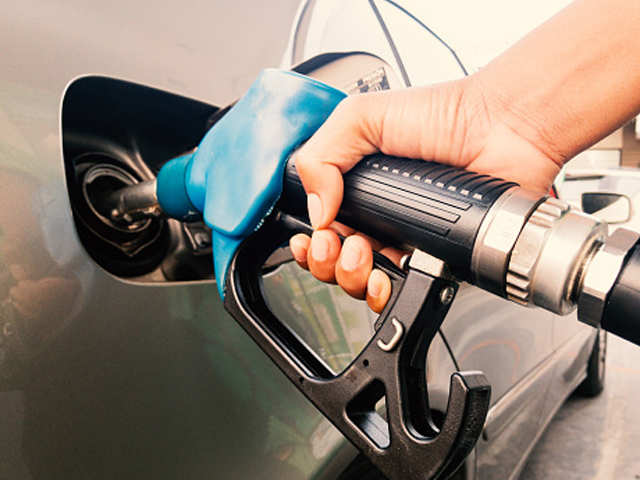
It was expected after the government implemented a 30 per cent hike in the price of petrol in January to boost tax revenues, according to a report by Reuters on Wednesday.
“We will see it (the effect of fuel price hike) for one whole year,†government statistician, Grace Bediako, told a news conference, saying that total non-food inflation was 12.12 per cent while food items rose just 4.59 per cent.
Analysts said the slight increase was expected given the rise in local fuel costs and the jump in world oil prices.
“There is still little immediate need for a rate hike,†said Standard Chartered Bank analyst, Mr. Razia Khan, while adding, “The debate on future rate hikes has now shifted to ‘when’ we will see that tightening.â€ÂÂ
Sampson Akligoh of Accra-based Databank said that local wage demands would also add to inflation pressures in coming months.
“The challenges are now apparent and inflation may be pushed up by production costs, exchange rate concerns and fiscal indiscipline. But the country still has some room to keep inflation below 11 per cent in the next three months,†he said.
The Bank of Ghana’s rate-setting committee kept rates on hold at 13.5 per cent for the third meeting in a row last month, citing what it called a “slightly elevated†inflation risk.
Ghana became a crude oil exporter in late December and is set to record growth of around 13 per cent in 2011, one of the strongest rates seen anywhere in the world.
In a statement after a mission this month, the International Monetary Fund said policy tightening would be needed during the course of this year to keep inflation in single digits.
Ghana revised upwards its estimate of the size of its economy last year, a statistical move which meant it joined the ranks of lower middle income countries.
The central bank used that data to recalculate the public deficit, causing the 2010 reading to fall to just 3.7 per cent of the newly swollen Gross Domestic Product figure from just under 10 per cent before.
However, analysts are watching closely for signs of overspending as President John Atta Mills’ government gears up for re-election in 2012.
Source: Punch

