




November 2, 2021/CSL Research
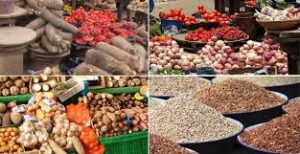
The rising prices of food staples are pushing many households below the poverty line. Based on the selected food price watch data for September 2021 released by the National Bureau of Statistics (NBS), major consumer staples showed significant increases year on year. Though food inflation has been trending down in recent months, food prices are still on the rise. This is because the descent in food inflation is largely due to base effects and not improved fundamentals. The data showed that prices of major food items moderated on a m/m basis in September, and we believe this was due to gains of the early harvest season.
Across the widely consumed food staples, beans in the two variants surged higher; brown, sold loose (up 57.4% y/y) and white, black eye, sold loose (up 62.0% y/y). Also, gari in its two variants, white sold loose (up 27.9% y/y) and yellow sold loose (up 22.3% y/y). Despite the recent moderation in the food prices m/m, we are still far from averting a food crisis. One, the use of fertilizers by farmers has been limited given the rising costs of fertilizers, further exacerbated by the ineligibility to source FX from the official market in importing fertilizers.
In our view, the Dangote Fertiliser Plant with a capacity to produce 3m MTPA will go a long way to partly meet the estimated annual demand of 5-7m MTPA from an initial supply of 1.5m MTPA.
The food supply chain disruptions caused by the pandemic translated to an increase in price across food items in the country. Insecurity in the country, ranging from incessant attacks on farmers by herdsmen to banditry and kidnappings, have further worsened the situation, leading to a greater risk of food crisis. The closure of the borders also contributed to the increase in food prices. However, despite the reopening of the land borders, food prices continue to rise. According to Fitch, the average Nigerian household spends around 57% of its income on food, and the figure is substantially higher for the 83 million Nigerians who live below the poverty line. Also, local production still lags consumption significantly. In our view, the government needs to urgently address the insecurity issues and review its agricultural strategy to avert a food crisis.


