



November 15, 2021/CSL Research
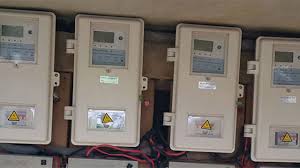
Based on news reports, electricity consumers in the country will, effective today, November 15, pay an additional 31% and 32% on the costs of both single-phase and three-phase meters, respectively. In the document obtained by the media sources, the Federal Government through the Nigerian Electricity Regulatory Commission (NERC) increased the price of a single-phase meter to N58,661.69 from N44,896.17 and the unit price of a three-phase meter to N109,684.36 from N82,855.19. According to the Commission, the continued impact of inflationary pressures and foreign exchange scarcity caused the upward review of the unit cost of the meters, a situation it also witnessed when it raised the prices of meters in June 2020. However, the price review is still subject to change upon the conclusion of the procurement process under Phase 1 of the National Mass Metering Programme.
It is unclear if the price increment only applies to meters under the Meter Asset Provider (MAP) scheme as meters under the National Mass Metering Programme (NMMP) as promised by the government is expected to be free. A Punch news report quotes the special assistant to the President on infrastructure, Ahmed Zakari, as saying that meters under the NMMP remain free and the price change will not affect consumers who get under the NMMP. In addition, he stated that 90% of the meters coming into the market would go through the mass metering programme in the near term.
Barely 1.3m meters have been deployed under both the MAP scheme and NMMP as of August, compared with a metering gap of over 6m, implying that most consumers under the estimated billing system still do not have access to meters.
Ineffective metering remains a major clog to the progress of power sector reforms in the country. The already pressured consumers who are still battling with the recent rise in key consumer utilities such as gas will most likely be unable to pay for meters. As things stand, many end-users will be forced to remain on the estimated billing system, especially with the slow progress in deploying meters even after paying the increased price.


