




March 7, 2022/CSL Research
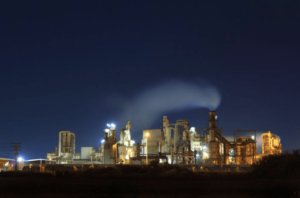
A Punch news report quotes the Executive Secretary of the Nigerian Content Development and Monitoring Board (NCDMB), Mr. Simbi Wabote, saying the board has secured approval to work with selected partners to produce about 10% of the country’s demand for Liquefied Petroleum Gas (cooking gas). It is to produce about 123,000 metric tonnes annually from the Utorogu gas plant in Warri, Delta state. Based on 10% (123,000 metric tonnes) of the current demand as stated by the board, it is safe to assume that from an estimated annual demand of 1m metric tonnes in 2020, consumption increased to 1.23m metric tonnes in 2021. Meanwhile, Nigeria Liquefied Natural Gas (NLNG) Limited, the major producer of LPG in the country, supplied about 400,000 metric tonnes in 2021.
The importation of cooking gas, despite the country’s abundant gas reserves, has been a national economic problem for many years. Policy inconsistencies and bureaucratic procedures in securing licences have made the investment in the space less attractive. Also, resuscitating Nigeria’s refineries has somewhat become a herculean task for reasons that remain unclear. Historically, most of the cooking gas demand has been met through imports. However, in 2021, the narrative is getting better as analysis of data obtained from the Petroleum Products Pricing Regulatory Agency (PPPRA) showed that 49.7% of the total LPG supply (783,000 metric tonnes) as of September 2021 was locally sourced, an improvement on the 46.9% locally sourced as of December 2020. In essence, a proposed additional 123, 000 metric tonnes by the NCDMB to the market is gradually closing the local supply deficit amid the growing demand for cooking gas.
Besides, NLNG recently announced that it plans to prioritise the domestic market by making available 100% of its Butane production (cooking gas) to meet local demand. These plans point to the fact that domestic supply is set to improve. That said, essentially, for as long as cooking gas is still sourced via imports, the price of LPG remains sticky downwards, especially as concerns around FX depreciation coupled with the impact of a possible overstretched war between Russia (largest gas exporter) and Ukraine remain. Also, the reintroduction of the 7.5% VAT on LPG in 2021 is another pressure point.


