

December 7, 2022/CSL Research
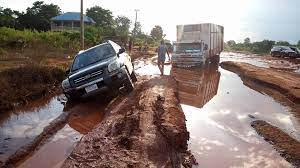
According to the World Bank as published by the Punch newspaper, 87% of Nigeria’s rural roads are in a deplorable state. It was further reported that even with the current scale-up being done by the government and its partners, Nigeria is still far away from what is needed to achieve functional rural roads. Nigeria, the largest economy in Africa has a rural road network of about 200,000km, 87% of which are in very bad condition, thereby negatively impacting economic activities in the nation.
Agriculture, the major contributor to Nigeria’s GDP, contributing over 23% and employing over 34% of Nigeria’s workforce is highly dependent on available road networks. Farmers in rural areas are affected by the lack of access to good roads resulting in the inability of most farmers to transport their goods to available markets leading to loss of perishable farm produce. A seamless rural road network and infrastructure reduces the cost of production and increases productivity especially in the agricultural sector where the transportation of crops from the farm to consumers is a major factor in the agricultural value chain.
In the industrial sector, good road transportation network is required to bridge the gap between the place of production and the point of final consumption. Practically every Nigerian and every sector of the Nigerian economy relies on one form of transportation or the other, and road transport is the most utilized. This therefore implies a strong and positive relationship between good road networks and economic growth in Nigeria.
Recent efforts by the government to resuscitate the rural road networks, although highly commendable, have proven inadequate. It is evident that the government needs to do more. The government also needs to ensure improved maintenance of the existing rural road infrastructure. The development and utilization of other means of transportation that are accessible and peculiar to each rural climate should also be prioritized.