




March 14, 2023/United Capital Research
Last week, the California Department of Financial Protection and Innovation announced the shutdown of Silicon Valley Bank (SVB) (a financial institution that provides banking services to nearly half of the United States (US) venture capital-backed technology and life-science companies). Generally, the bank’s collapse was ascribed to poor risk management. This makes it the largest bank to fail since the 2008 financial crisis.
For context, Silicon Valley Bank invested in longer-tenured debt securities whose Hold to Maturity (HTM) were ten years and above while taking on venture capitalist depositary funds. The bank failed to consider the dynamics of the global macroeconomic environment with rising inflationary pressures in the US. In 2022, the Federal Reserve hiked interest rates to combat elevated price pressures in the economy. Thus, depository funds started to decline as Venture Capitalists (VCs) pulled back and slowed down their pace of dealmaking. This resulted in liquidity issues, and the bank sold off some of its asset positions, albeit at a loss. This led to a major bank run and solvency issue for SVB as the bank announced plans to raise billions in capital to cover big losses, setting off widespread panic among investors and the tech founders.
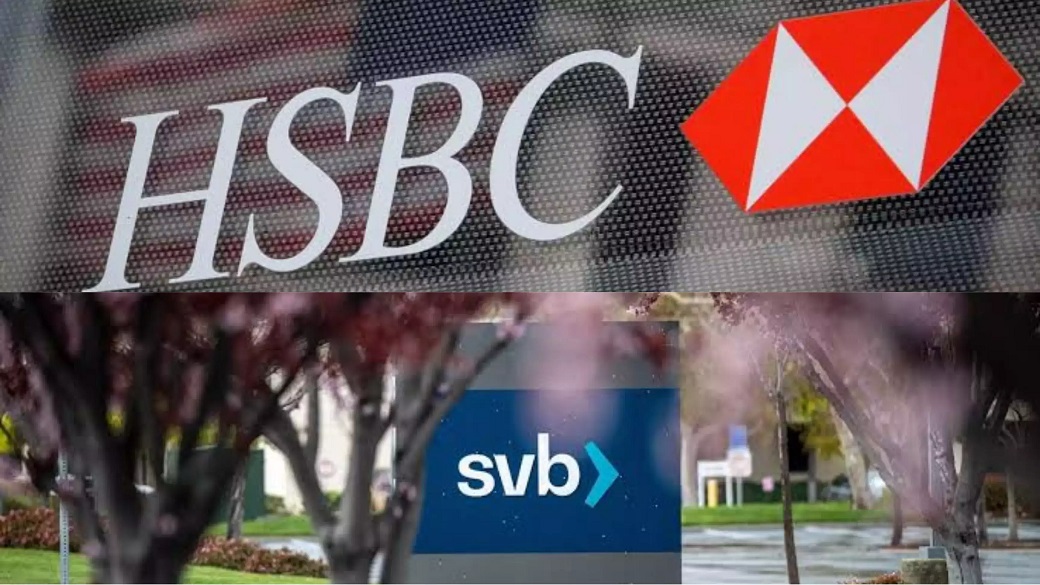
In response to the bank’s collapse, the Federal Deposit Insurance Corporation was appointed to take on depositors’ funds. The US Treasury and Fed have assured that depositors’ funds would be fully protected and paid in full. In addition, HSBC has acquired SVB UK to enable UK customers to continue their banking activities while ensuring that their deposits are safely and fully backed. However, one of the downside risks of the bank’s collapse is the possible contagion risk effect, as evidenced by the recent closure of Signature Bank, marking the third-largest failure in US banking history. That said, the collapse of SVB serves as a major wake-up call to the banking industry and others to maintain a proper risk management system, as well as consider the impact of macroeconomic dynamics on their businesses
Please click here for the full PDF report

