



April 19, 2023/United Capital
The Nigerian Bureau of Statistics (NBS) recently released the Rail Transportation data for Q3 and Q4-2022. The report revealed that in Q3-2022, passenger transport had declined by 28.2% from the corresponding quarter of 2021, only to rebound by 30.1% y/y in Q4-2022. The rebound is attributable to increased demand during the Christmas yuletide. The data also showed that 33,312 tons of goods were transported in Q3 2022, a 35.6% decline from Q3-2021. Similarly, the volume of goods transported in Q4-2022 decreased by 1.5% y/y. The challenges in the railway sector are evident in this outcome.
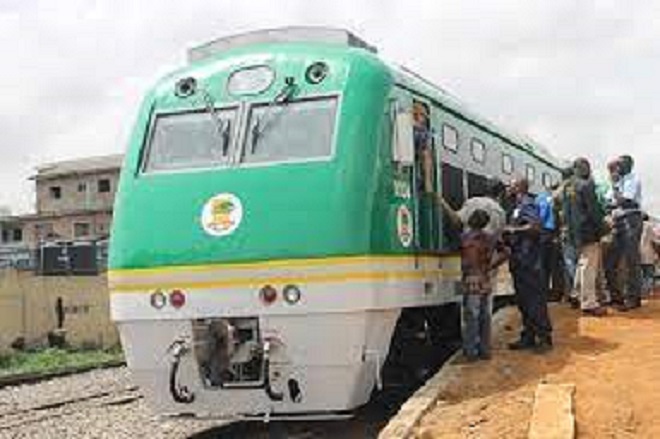
Railway authorities had the huge task of convincing passengers to return to the trains following the Abuja-Kaduna train service attack in Mar-22. This made passenger service patronage both in Lagos and Warri-Itakpe line drop drastically. Despite being marketed as a safer and environmentally friendly mode of transportation, insecurity and vandalism have left consumers feeling uncertain about their safety. As a result, revenue from passengers declined by 60.5% y/y to N715.1mn in Q3-2022, and despite the seasonal rebound, revenue generated from passengers stood at N1.2bn, a decrease of 39.5% y/y. However, cargo transportation has improved. Revenue from goods cargo slid by 7.0% y/y in Q3-2022 to N101.8mn but grew 63.3% y/y in Q4-2022 to N157.2mn. However, revenue generated from cargo is a fraction of overall income receipts.
The Federal Government (FG) has since spent more than N718.0mn for security services and surveillance of the Light Rail Mass Transit System. However, the overall sustainability of the system is in question. Data from the Debt Management Office (DMO) suggests that the country spent $248.0mn (N111.2bn) servicing external railway debts from 2021 to 2022. This is despite generating revenues of N11.6bn over the period. Nonetheless, 2023 presents new opportunities for the sector. The Nigerian Railway Corporation (NRC) has a N20.5bn budget, of which it plans to spend N4.3bn to acquire new locomotives. Also, the Ministry of Transportation has A N126.5bn allocation in the 2023 budget, of which N70.5bn will go to capital projects. Most importantly, the sector needs good governance that is market-oriented, efficient and financially sustainable.

