



April28, 2023/CSL Research
This Day newspaper reports that the National Economic Council (NEC) has advised that plans to remove the long-standing fuel subsidy be put on hold pending the conclusion of all preparatory plans with various segments of government and the incoming administration. The Minister of Finance, Budget and National Planning, Zainab Ahmed, who made this known on Thursday after the NEC meeting, however, stressed that the Council agreed that the subsidy regime must be removed eventually as it is no longer sustainable. According to the Minister, the country’s 2023 budget has provision for subsidy only up to June 2023 and the Petroleum Industry Act (PIA) has a provision that requires that all petroleum products must be deregulated 18 months after the effective date of the PMs removal and that period is also up to June 2023.
Earlier, the Minister of Finance, Budget, and National Planning Zainab Ahmed had disclosed that the government secured a World Bank facility worth US$800 million as the first tranche of palliatives to be disbursed through cash transfers to about 10 million households, equivalent to about 50 million Nigerians who belong to the most vulnerable category of the society as compiled in a national social register. This was towards plans to eliminate the subsidy by June. We had noted however, that we do not consider the palliative sufficient to assuage the resultant increase in cost of living that will follow the elimination of the subsidy.
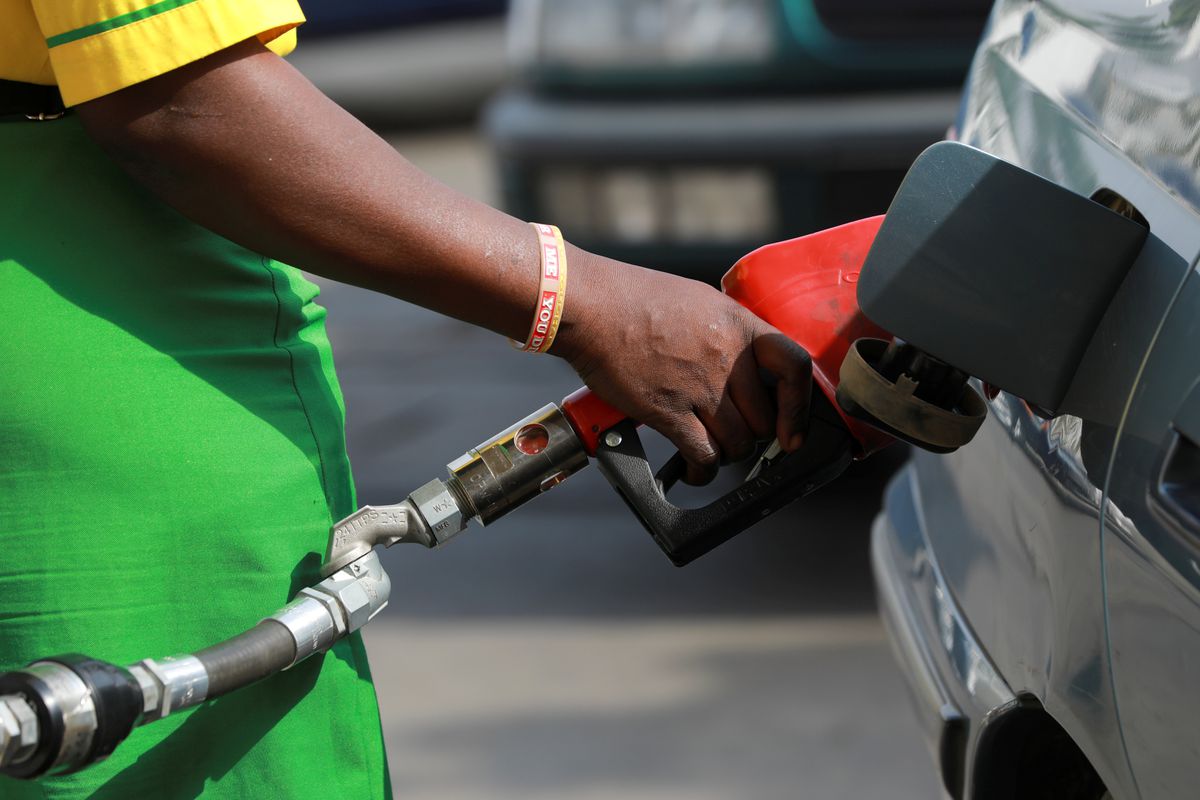
Though subsidies still exist, and the pump price of petrol remains fixed, the recent and persistent scarcity of the product has led to arbitrary increase in price above the government’s approved price of N185 per litre. The pump price of petrol, which was between N162 and about N170 per litre prior to last year, suddenly started moving up to c.N200 per litre when the first disruption in the petrol supply occurred in the first quarter of 2022. Since then, the product scarcity and racketeering have persisted. Oil marketers have consistently blamed the shortages and price hike on the unavailability of the product, the high cost of renting daughter vessels and the cost of trucking products to many parts of the country, particularly the far north and east.
Though previous attempts to remove the subsidy on petrol have in many cases, been met with resistance from the populace, causing the government to either decide on a partial removal or rescind the decision. This time around, economic realities will limit the government’s ability to backtrack. Nonetheless, Nigerians are not likely to be happy with the decision to raise prices. Undoubtedly, an attempt to revise the price to suit current realities will be strongly resisted by the populace who have been hard hit by two recessions and a pandemic in the last 7 years amid rising food and utility costs, making us retain the view we have held since the beginning of the year that the elimination of the subsidies will be gradual starting possibly towards the end of the year. NEC’s decision appears to be supporting that view.

