



March 12, 2026/Cordros Report
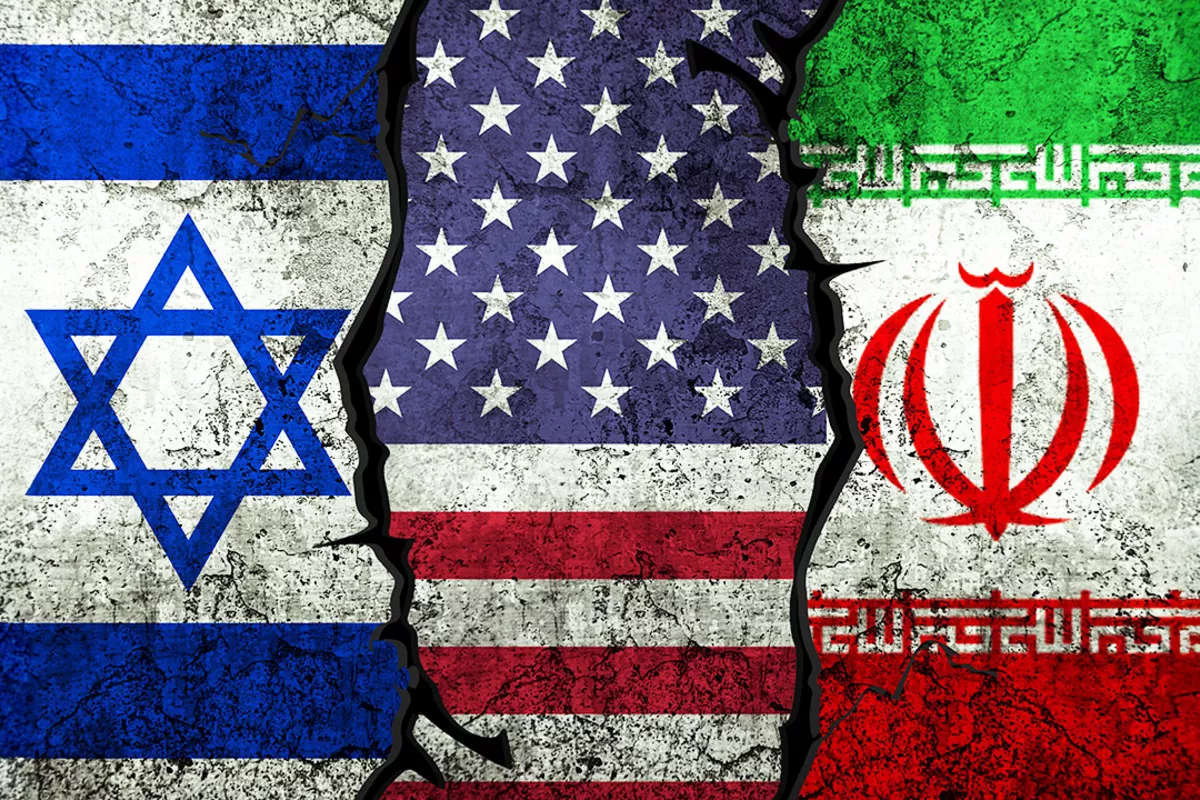
The ongoing US–Israel military campaign against Iran, which began on 28 February, and the resulting disruption to maritime flows through the Strait of Hormuz have triggered a sharp rise in global energy prices, strengthened safe-haven demand for the US dollar, and tightened global financial conditions. These developments are already transmitting to emerging and frontier markets, including key African economies, through higher energy costs, currency pressures, and shifting investor sentiment. Looking ahead, we believe the magnitude of the economic impact will largely depend on the duration and scale of the conflict.
Our baseline scenario assumes a contained military campaign, with coalition forces maintaining air superiority and focusing on degrading Iran’s military infrastructure while avoiding a large-scale ground invasion. While recent operations aimed at securing maritime routes, including naval surveillance, mine-clearing activities, and targeted strikes on Iranian naval assets, may gradually reduce risks to shipping, tanker traffic through the Strait of Hormuz is likely to remain subject to elevated security conditions and higher insurance costs in the near term. As a result, energy markets are expected to remain tight in the short run, keeping oil prices elevated around USD90.00/barrel in the near term before moderating toward USD70.00–75.00/barrel in the second half of 2026 as security conditions improve and global supply begins to outpace demand.
The macroeconomic implications for our African coverage economies — Nigeria, Egypt, Kenya, and Ghana — will vary depending on their energy trade exposure, external buffers, and policy flexibility. Higher energy prices, rising freight costs, a stronger US dollar, and heightened global risk aversion represent the primary transmission channels. In our baseline scenario, we expect the macroeconomic effects to be noticeable but temporary, with central banks likely adopting a more cautious policy stance and delaying monetary easing until geopolitical risks subside. Under a downside scenario of prolonged disruption and persistently higher oil prices, however, external balances, exchange rates, and inflation could come under greater pressure across several economies, potentially prompting tighter policy responses to safeguard macroeconomic stability.

