




March 16, 2022/United Capital Research
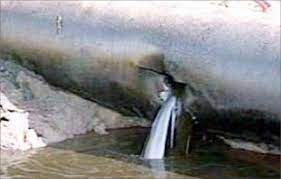
The Nigerian oil production capacity has been met with a series of obstacles over time, resulting in the observed regressive growth of the Nigerian oil production sector amid consistent lag tete-à-tete OPEC quota. These mitigating factors include community interference, industrial actions by oil workers, Covid-19 outbreak at terminals, pipeline vandalism, etc. For context, Nigeria’s oil production saw a decline in FY-2022 saw a 17.2% y/y decline from 1.5mbpd as of Dec-20 to 1.3mbpd in Dec-21.
Among other mitigating factors, pipeline vandalism has continued without respite to dampen Nigeria’s overall oil production output. According to data released by OPEC in its Monthly Financial and Operations Report (MFOR), pipeline vandalism activities rose by 18.6% m/m in Dec-2020, from a total of 35 to 45 vandalised pipeline points vis-à-vis Nov-20. Nigeria’s oil production prowess saw further pressure in 2021, significantly influenced by incessant pipeline vandalism. As of H1-21, 350 pipelines were vandalised, representing 79.4% of an aggregate 441 pipeline vandalism seen in FY-20. This has been strongly reflected in the decline of Nigeria’s oil production output vis-à-vis allocated OPEC quota over time, thus dampening further Nigeria’s oil production outlook.
Although pipeline vandalism plays a significant role in the continued shortage and production downtime, reduced investment in Oil and gas, which may also have a causal relationship with pipeline vandalism, remains the primary reason for our poor production output. The continued unfavourable drilling environment, evidenced by higher CAPEX expense, a NOC with a history of not meeting its cash calls obligations has seen many oil majors divest legacy oil and gas assets in Africa as they target net-zero carbon emissions while hanging onto their most efficient projects. In the past 11 years, IOCs have divested 26 OMLs. The OMLs are in the prolific Niger Delta basin with Delta state, infamous for its history of agitations and pipeline sabotage contributing the bulk with 10; Akwa Ibom (1), Bayelsa (4), Edo (1) and Rivers (6). Lastly, despite recent reforms, we will remain watchful of developments in space. As global calls have come to the fold, energy transition and a shift towards net zero carbon emissions take centre stage.

