



March 17, 2022/Proshare
by FBNQuest Research
Data from the Nigerian Bureau of Statistics (NBS) show that the total value of Nigeria’s merchandise trade increased by 75% y/y to NGN11.7trn from a revised NGN6.7trn in Q4 ’20. The sharp increase is due to positive base effects as mobility restrictions led to a plunge in global trade. The NBS series is compiled from data provided by the Nigerian Customs Service (NCS) and other government agencies. The value of trade is the highest since 2018, which is as far back as the data series goes. Relative to Q3 ’21, the total value of trade was up 12% q/q.
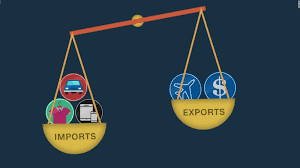
The value of exports grew 81% y/y and 12% q/q to NGN5.8trn, while total imports increased by 69% y/y and 11% q/q to NGN5.9trn. The net result was a deficit of NGN173bn. Excluding Q2 ’21 when trade activities resulted in a surplus of almost NGN330bn, the Q4 ’21 deficit is the sixth recorded since Q2’20.
Imports of premium motor spirit (PMS) in Q4 amounted to NGN1.4trn, more than double the NGN574bn value for Q4 ’20 and was c.24% of total imports.
Contributory factors to the surge in fuel imports include the increase in crude oil prices throughout 2021, as well as depreciation of the naira over the period.
Another significant point frequently raised by industry professionals is the large disparity between the volume of imports and domestic consumption. The variance has frequently been linked to smuggling of refined petroleum products from Nigeria to some of her West African neighbours.
The minister of finance, budget and national planning this week disclosed that Nigeria will draw-down USD2.2bn from the Eurobond proceeds from last year’s issuance in addition to fresh domestic borrowing this year to fund fuel subsidies.
Merchandise imports are concentrated. The top four categories are fuels and lubricants (28%), industrial supplies (22%), capital goods (21%), and food and beverage (15%). They account for a combined share of 86% of total imports.
Although crude oil exports grew 6% q/q to NGN4.3trn, their share of the total decreased to 74% from c.78% in Q3 ’21. We see some bright spots in non-oil exports, notably agriculture, raw materials and manufactured goods which grew by 67%, 65% and 39% q/q.
In aggregate terms, Nigeria recorded a total trade balance of NGN39.8trn in 2021, comprising import and export trades of NGN20.8trn and NGN18.9trn respectively, implying a net deficit of around NGN1.9trn.
