
 By Peter OBIORA InvestAdvocate
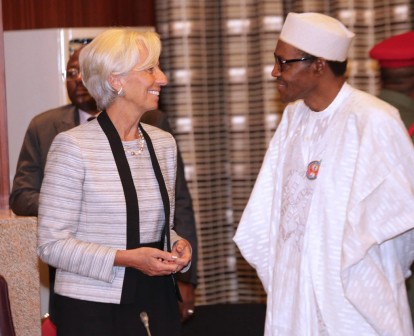
Lagos (INVESTADVOCATE)-Christine Lagarde, the managing director of the International Monetary Fund (IMF) has said in 2015 Nigeria’s economic growth is expected to slow to about 3 1/4 percent, with a slight recovery in 2016.
“Nigeria is the largest economy in Sub-Saharan Africa, with the largest population, and its important role at the regional level has become increasingly recognised. The economy is well diversified, no longer dominated by agriculture and oil, with services accounting for almost half of GDP, including a significant home-grown film industry and innovative startups from fashion to software development. Nigeria has also experienced a decade of strong growth, averaging 6.8 percent a year,” Lagarde affirmed.
According to the IMF managing director, in its meetings with Nigerian authorities, they discussed how to maintain economic progress while making the transition towards more inclusive and sustainable growth. Poverty, inequality, and unemployment levels remain too high, in addition to the challenge of the Boko Haram insurgency.
“Nigeria also has to deal with the difficulties presented by falling oil prices, reduced emerging market demand, and tightening global financial conditions. This has led to sharply lower export earnings and government revenues. The non-oil sector has also been affected and financing for investment is hard to come by,” she added
.Also, discussed according to Lagarde was a range of policy recommendations related to improving the competitiveness of the Nigerian economy which includes focusing on the critical area of infrastructure, where power, transportation, and housing are especially key.
Again, identifying ways to broaden the revenue base, particularly to create additional fiscal space to offset the impact of lower oil prices; and the need for careful decisions on borrowing, public spending, and managing the cost of fuel subsidies – with a view to safeguarding priority social sectors and the most vulnerable groups.
According to the IMF boss, this will require a package of measures involving business-friendly monetary policy, flexible exchange rate policy, and disciplined fiscal policy, and the implementation of structural reforms.
“I complimented the authorities on their efforts to address corruption, particularly the decision to publish monthly data on the finances and operations of the National Petroleum Corporation. Transparency and the rule of law will be crucial in reducing constraints to the country’s growth.
She further affirmed that the IMF remains Nigeria’s committed partner as it moves forward to face the challenges of the future.”