

September 21, 2023/CSL Research
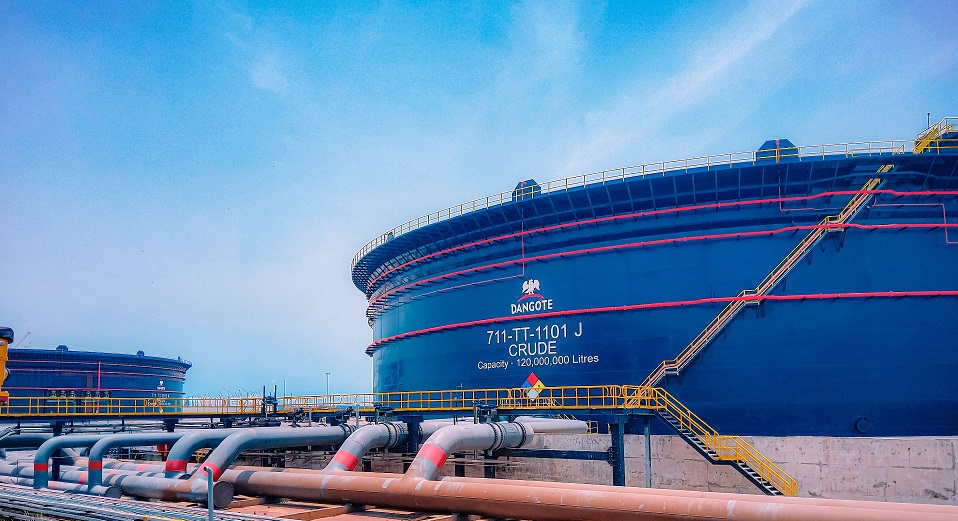
According to S&P Global Platts, Dangote Refinery will commence the anticipated refining of crude oil products in October 2023 based on the receipt of its first crude cargo in less than two weeks. The initial output from the refinery is estimated at 370,000 barrels per day (bpd) of diesel and jet fuel. However, by 30-November-2023, the refinery will start the phased ramp up to 650,000bpd and begin the refining of Premium Motor Spirits (PMS) in the coming months as the NNPC has stated that it will not be able to supply crude as planned immediately due to forward contracts with other countries.
Nigeria’s hope of attaining self-sufficiency in the local domestic oil refining space might just rest largely on the operations of the Dangote refinery. The refinery, which has one of the largest production capacities in the world, operating at full capacity would more than meet Nigeria’s domestic fuel requirements with excess capacity for exports.
The refinery is situated at the strategic free trade zone with a 1,100km pipeline capable of handling 3bn standard cubic foot of gas per day and it is located near a Lagos Sea port which should help easy access of cargos of unrefined oil products to its company. More so, the refinery’s location in the free trade zone allows the refinery to conduct its business in USD. The managing director of the Dangote Group, Devakumar Edwin stated its refined products will be purchased in US dollars and not Naira.
However, he noted that due to its equity stake in the business, the NNPC will supply some crude at knockdown prices. While we note that achieving self-sufficiency in local refining capacity might not reduce the cost of petrol significantly, sufficient local refining capacity would at least boost the availability of the product and bring a lasting end to the persistent issue of fuel scarcity in the country.
A major problem the country is dealing with is the continuous devaluation of the Naira amidst a shortage of supply and growing demand and many look to the commencement of operations at the refinery as a reprieve. While it is not completely certain if the refinery will have a significant impact on Nigeria’s foreign exchange through import substitution, we are more focused on the possibility of earning foreign exchange through the export activities of the refinery.
Previous comments from Mele Kyari, Managing Director of the NNPC suggested a swap agreement has already been agreed upon which is a total of 330,000 barrels per day of crude in exchange for 20% of production from the refinery. In essence, this appears net neutral for FX. Moreover, while the country will no longer need to import refined petroleum, it also implies reduced crude oil exports. However, we expect export proceeds to boost FX reserves and liquidity. According to Edwin, 50% of the refinery’s production will meet 100% of the country’s requirements, leaving the rest available for exports.